From Canvas to Camera Roll: Portraits in the Digital Age
Portraits in the Age of Social Media
Amy Pargeter, Exhibitions Officer, North East Museums
The concept of ‘self’ and how we present ourselves to others has become more relevant in recent years. We live in a digital world of information; an age of social media, influencers and selfies. In a world where anyone can publish an unlimited stream of information about themselves, the act of curating our own identity has never been easier. The concept is far from new though, it’s been present in portraiture for thousands of years.
Historically, portraits were filled with symbolism. They were often painted to provide an idealised version of the sitter, inspiring feelings of trust, loyalty and respect.
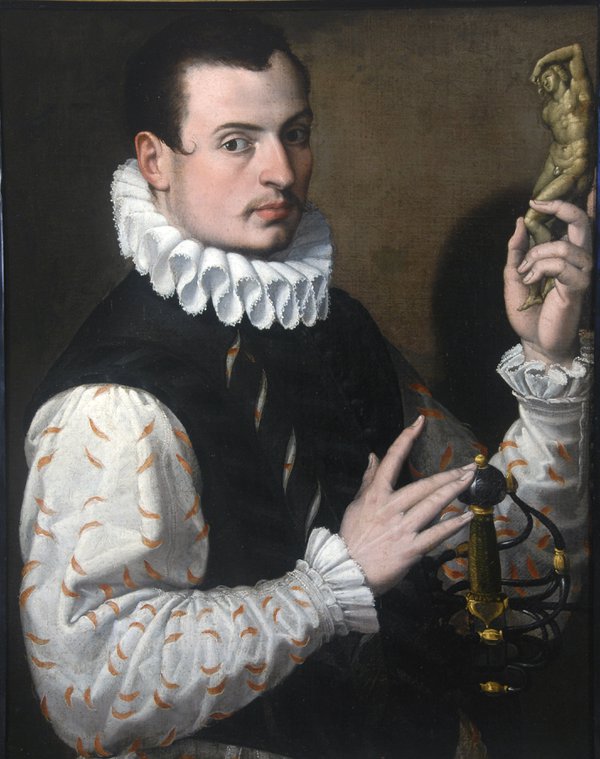
Performing Perfection: The Symbolism of Historic Portraits
Around 20 years since the introduction of MySpace, Facebook and Twitter, have these platforms influenced the role of portraiture in fine art? I would argue that, yes, they have. Instead of historic representations of unattainable perfection, we are starting to see a move towards honesty, reality and self-acceptance.
We can see this change most clearly in family portraits. Inspired by the Italian Renaissance style, this portrait by Pre-Raphaelite artist Arthur Hughes shows a loving family. Dressed in beautiful gowns and surrounded by expensive embroidered fabrics, each of the children has been painted with an angelic tilt of the head, revealing their innocent fascination with the birds in front of them. As historic family portraits were often commissioned by the family themselves, it’s unsurprising that they often show the family at their best. The children well-behaved and still, sharing calm, intimate moments with their parents. It’s likely that when paying to have their family painted, most parents would want them on their best behaviour.
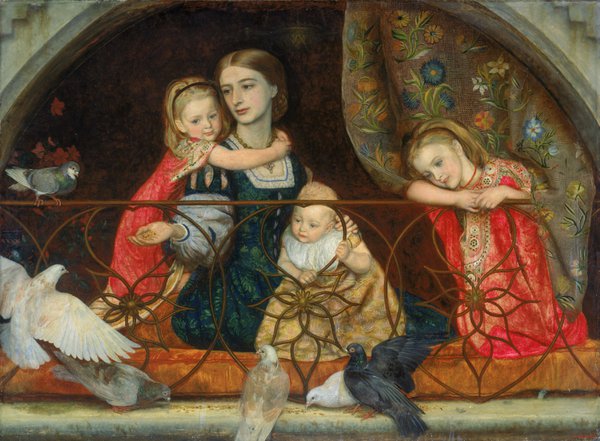
Family Life Unfiltered: Contemporary Portraits and Authenticity
In Yvadney Davis’s eye-catching self-portrait, Inset Day, the artist (wearing a strikingly patterned suit) stares wearily out at the viewer while her daughter climbs on the sofa cushions behind her. Here, we see a moment in which the artist expresses a very distinct personal identity, yet also her separate, perhaps at times conflicting, identity as a mother. Davis describes the work as ‘my self-portrait exploring my feelings around being an artist mum, balancing self-expression with duty, priorities...legacy’.
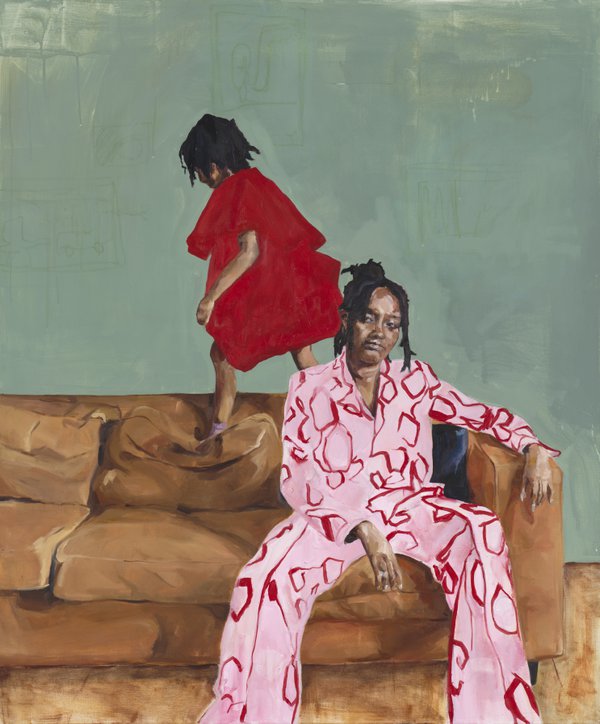
What Modern Portraits Reveal
Perhaps this difference in representation between historic and contemporary portraits is in part because many contemporary artists paint their own families and may have more freedom to represent the ‘truth’. However, it could also be a societal shift towards representing the reality of family dynamics. Although many current social media influencers portray their lives as idyllic, there is also a movement towards authenticity and honesty. Many influencers aim to generate genuine discussion and interaction around the joys and challenges of parenting. This same attempt to capture truth and represent relatable content seems to be reflected in several of the paintings from the Herbert Smith Freehills Kramer Portrait Award 2025.
The introduction of social media has changed the way many people present themselves to the world. It has become easier for people to decide how others see them. A noticeable difference between historic and contemporary portraiture is the aspects of life which artists and sitters choose to explore. Historic portraits, often commissioned by wealthy patrons, tend to focus on moments of perfection and success, while many contemporary portraits reveal a more balanced view of modern life, exploring themes such as illness and grief, as well as love and companionship.
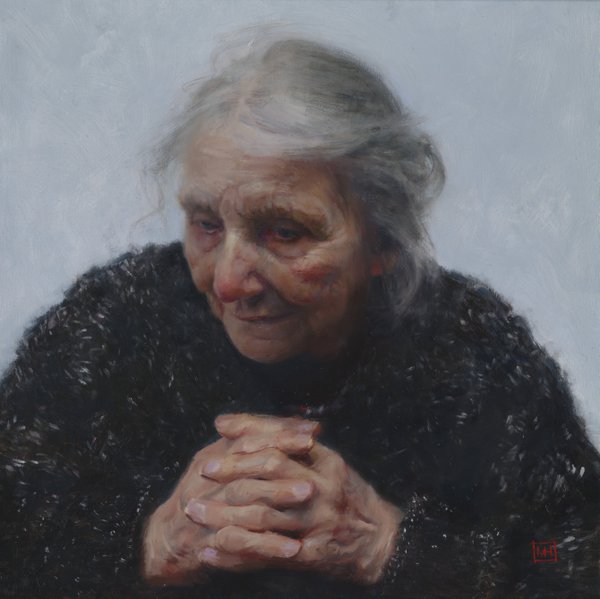
Portraits, Photography and Digital Manipulation
For the past five thousand years, portraits have been created to present a chosen narrative to the world. It was common for an artist to flatter their wealthy employers. Hans Holbein the Younger’s 1539 portrait of Anne of Cleves is a well-known example. As they had never met, the portrait apparently affected King Henry VIII of England’s decision to marry the Duchess. It is suggested that only one year later, when the couple did meet, Henry was not as taken with Anne as he had been with her portrait. Although they remained on good terms for the rest of Henry’s life, their marriage was annulled after only six months.
As technology such as photography evolved, it became more difficult (although not impossible) to embellish the truth. The introduction of CCTV, camera phones and social media means that our true physical likeness is now recorded on an almost constant basis.
More recent technological advancements, such as photoshop, Instagram filters and artificial intelligence, now allow people to easily doctor images and choose how they present themselves to others, even without the skills of an artist.
Perhaps it’s defiance against these technologies that has prompted the art of portraiture to move away from idealism and towards realism, in particular, hyperrealism. The recent popularity of hyperrealism seems to support this theory. The combination of artistic skill and creativity in hyperrealist portraits is staggering. The genre truly celebrates human achievement in art.
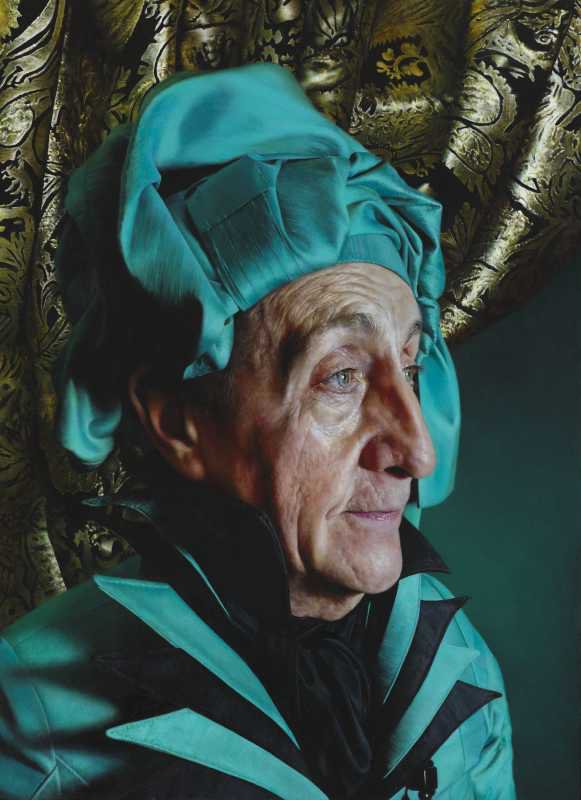
With the latest generation of quick format social media platforms such as Snapchat, TikTok and YouTube Shorts, as well as developments in AI technology, it seems likely that the art of portraiture will continue to evolve. However, the artists’ ability to capture the personality of their sitter, either through painting or photography, will hopefully prevail.