1859-16th October 1933
Engineer and co-founder and second president of the Women's Engineering Society

1859-16th October 1933
Engineer and co-founder and second president of the Women's Engineering Society
Kirkwhelpington
The Hon. Lady Katharine Parsons (nee Bethell) was born in 1859, at Rise Park in the East Riding of Yorkshire, the twelfth child of William Froggatt Bethell and Maria Elizabeth Beckett. She married the Hon. Charles Parsons in 1883 and they had two children Algernon George and Rachel Mary.
On her marriage Lady Parsons became fascinated by her new husbands’ engineering works at Heaton. Throughout their long marriage Katharine worked closely with Charles on both commercial and domestic engineering projects, especially during the development of the Parsons Steam Turbine which is still in use today and allows large scale electricity generation at low cost
During the first world war Lady Parsons was closely involved in the recruitment, training and welfare of thousands of female engineers in Tyneside's armaments factories. In 1919 she was made the first Honorary Fellow of the North-East Coast Institution of Engineers and Shipbuilders for her contribution.
Having been instrumental in deploying this highly effective female workforce, Lady Parsons was robustly critical of the subsequent removal of many of those women from their posts due to the Restoration of Pre-War Practices Act 1919 which gave the positions back to returning soldiers.
Her widely publicised speech delivered on July 9, 1919 heavily criticised the way that women had been required to produce the 'implements of war and destruction' but then were denied 'the privilege of fashioning the munitions of peace.
Lady Parsons launched the Womens Engineering Society (WES), in collaboration with her daughter Rachel and five other ladies, to protect women's position in the field of Engineering, and enable them to communicate, and share opportunities for training and employment.
The WES continues to foster women’s careers in engineering technology and science today.
Lady Parsons served as a magistrate from 1921, and was admitted to the freedom of the Worshipful Company of Shipwrights and given freedom of the City of London for her public achievements.
She died in 1933 after a long battle with cancer.
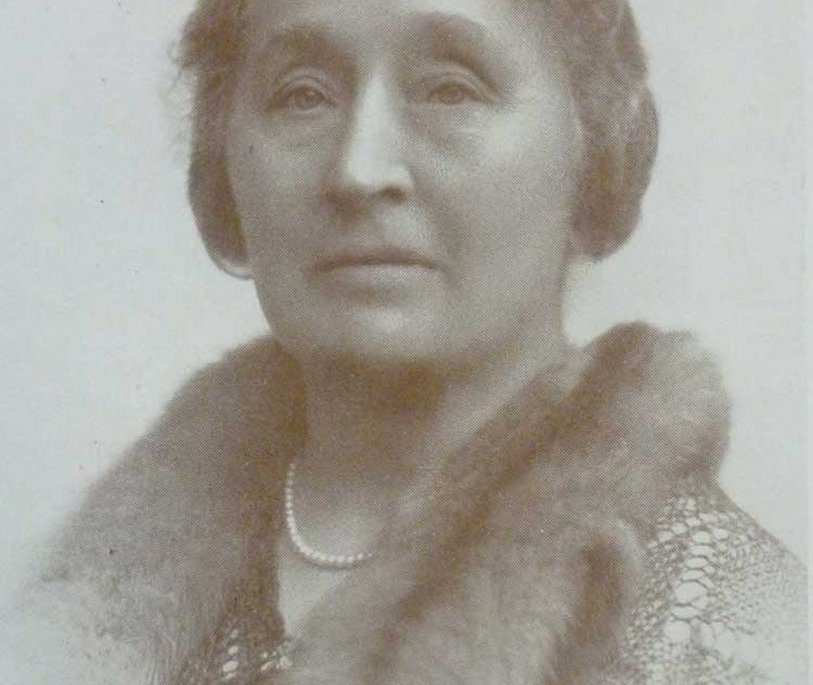
Katherine Parsons
Introducing Electrifying Women: the long history of women in engineering
The Common Room - Inspiring Pioneers: The Remarkable Work of Rachel and Katharine Parsons
Women's engineering Society
Parsonstown - celebrating the Parson's family