North East Museums saves rare flag from Battle of Trafalgar for the UK
Flag was flown from HMS Royal Sovereign on 21 October 1805
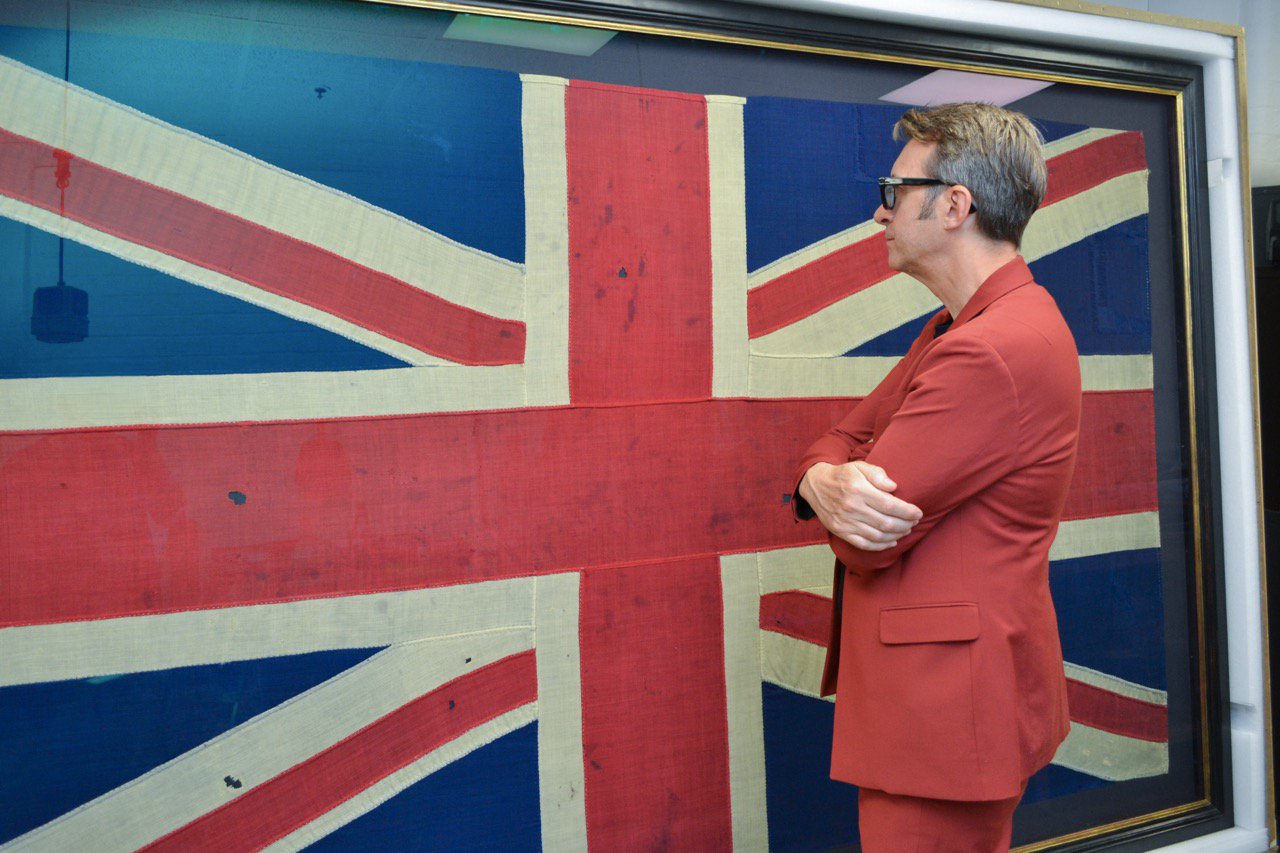
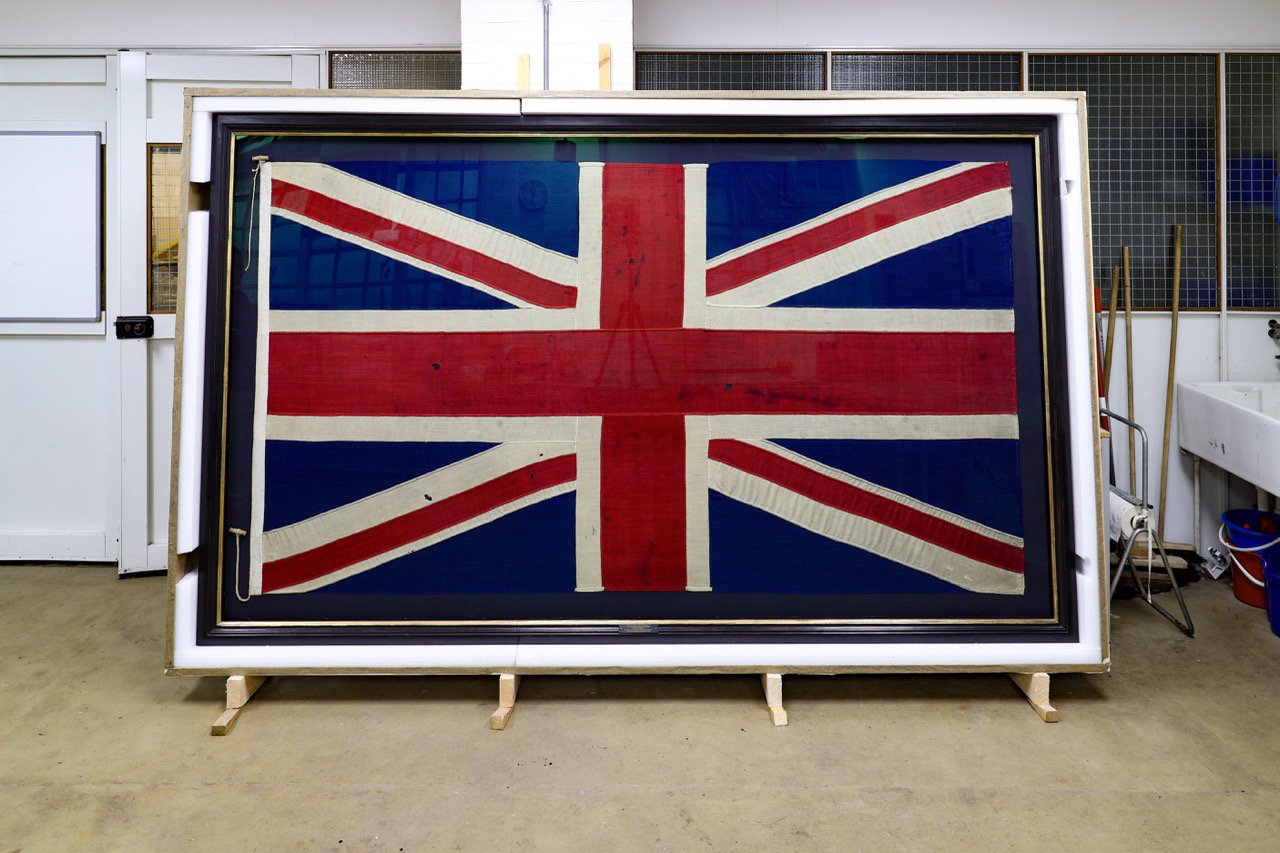
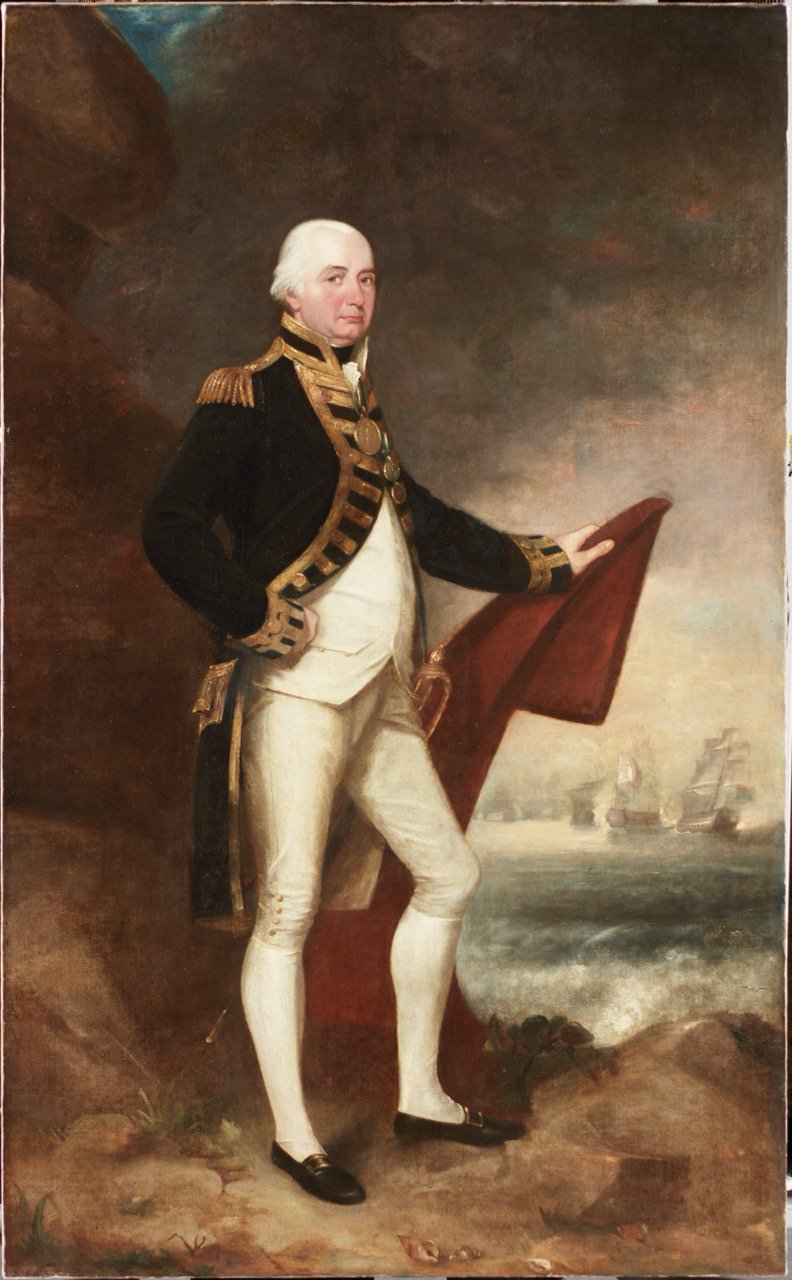
North East Museums has acquired a rare Union Flag ensuring it remains in the UK, with the support of several generous funders. The flag was flown from HMS Royal Sovereign, flagship of Newcastle-born Vice-Admiral Cuthbert Collingwood at the Battle of Trafalgar on 21 October 1805.
The flag was due to be taken out of the country before an export bar was placed on it by the Secretary of State because of its significance to the UK following a recommendation from The Reviewing Committee on the Export of Works of Art and Objects of Cultural Interest. This process gave institutions and individuals in the UK a chance to raise the money, purchase the item and retain it in the UK for the public to enjoy.
North East Museums has raised over two thirds of its £700,000 fundraising target to purchase the flag and create a permanent home for it at Discovery Museum in Newcastle upon Tyne. The National Heritage Memorial Fund has supported the acquisition with a £400,000 grant and further generous support has come from the Sir James Knott Trust, Community Foundation North East, XTX Markets, the Drapers' Charitable Fund and several other donors.
The Collingwood family – direct descendants of Vice-Admiral Collingwood – has also contributed to the fundraising appeal to save the flag and bring it to Newcastle upon Tyne, the city in which Vice-Admiral Collingwood was born on 17 September 1748.
Susan Collingwood-Cameron, great, great, great niece of Vice-Admiral Collingwood, said:
"As a great, great, great niece of Vice-Admiral Lord Collingwood I am excited to hear that the Union Flag flown from his flagship, H.M.S. Royal Sovereign, at Trafalgar is coming to Newcastle.
"This flag is said to have been made by sailors on board the ship, many of whom came from Tyneside and were affectionately referred to by him as his ‘Tars of the Tyne.’ It will be a tribute to them, and the important role they played, in one of our greatest moments in history. There may well be descendants of their families still living in the area."
The flag had a fixed purchase price of £450,000 and it will cost an estimated £250,000 to transport, store and conserve the flag, and create a new permanent display.
It is hoped the fundraising campaign will be further boosted by a crowdfunder which launches at noon on 6 August and which will be match funded by the Sir James Knott Trust. More information about the appeal can be found online: Help us display Trafalgar Flag at Discovery Museum.
The new display will be used to engage visitors and schoolchildren with the story of Collingwood, the role of North East people in the Royal Navy, and as part of the wider story of maritime history in North East England and its impact on the rest of the world.
Collingwood recruited many of his sailors from the local maritime community. This led to the Royal Sovereign’s crew gaining the nickname ‘Tars of the Tyne’. The flag itself would have been maintained (and possibly even made) on board the ship by these sailors. Nowhere supplied more men for Nelson’s Royal Navy than the skilled mariners of the Tyne and the Wear, and there were over 500 ‘Geordie’ sailors in Nelson’s fleet at the Battle of Trafalgar.
Fundraising appeal to create permanent display with flag as centrepiece
Keith Merrin, Director of North East Museums, said:
"It is wonderful to have acquired this rare and historically significant flag to ensure it remains in the UK and specifically in North East England which was home to Vice-Admiral Collingwood and many of his crew. Collingwood is a popular figure in the North East but perhaps isn't given the national hero status that he and his crew deserve.
"Our fundraising continues so that we can create a permanent display with the flag as the centrepiece at Discovery Museum in Newcastle where it can be enjoyed by hundreds of thousands of visitors each year. If you would like to contribute to the fundraising appeal please visit our appeal page: Help us display Trafalgar Flag at Discovery Museum."
Councillor Rob Austin, Cabinet Member for Culture, Communities and Youth Services at Newcastle City Council, said:
"I am delighted that North East Museums has been able to bring this extraordinary piece of Newcastle’s heritage home. The Union Flag that flew on HMS Royal Sovereign is a powerful reminder of the role Vice-Admiral Lord Collingwood and the ‘Tars of the Tyne’ played in one of Britain’s most significant naval victories.
"This fantastic achievement will give residents and visitors the chance to see an authentic piece of our city’s past and learn about how people from Newcastle helped shape the nation.
"I want to encourage everyone to support the crowdfunder so we can create a permanent home so that this nationally important treasure can be on display in the Discovery Museum for years to come."
Simon Thurley, Chair of the National Heritage Memorial Fund, said:
"The Union Flag flown from HMS Royal Sovereign at the Battle of Trafalgar is an extraordinary survivor of one of the most significant moments in UK naval history, with a powerful connection to the people and heritage of the North East.
"We are delighted to support North East Museums in its efforts to secure this remarkable flag and ensure it can remain in the UK, is conserved for the future and is placed on permanent public display at Discovery Museum where people will be able to explore its story first-hand.
"The Memorial Fund exists to save the UK’s most outstanding heritage and make it publicly accessible, in memory of those who have given their lives for the UK. I am pleased to count this rare and nationally important flag among the heritage treasures we have helped to protect."
The large flag measures 1525 x 2745 mm and is hand-stitched in wool bunting with a weighted edge. It is in good condition, but evidence of scars from the battle can be seen.
The Battle of Trafalgar was a defining moment in the Napoleonic Wars, one of the most consequential and culturally important naval actions in British history. Surviving Union Flags from the battle are rare. Of the three that remain extant, this example is the most significant, since it flew from the ship which initiated the engagement at Trafalgar and played a pivotal role in Britain’s victory.
Following the battle the Royal Sovereign Union Flag was kept as a souvenir by seventeen-year-old Charles Aubrey Antram (1788–1831), who was serving at the time as one of four master’s mates on the ship. It was then passed down through his family before being sold to a private collection.
Media enquiries
Please contact: communications@northeastmuseums.org.uk