What connects a saveloy dip with Byker? Why did an Italian ice cream seller keep ending up in court? Explore the fascinating histories behind South Tyneside’s best-loved food businesses, the rise of Ocean Road’s restaurants and local people’s memories of the food they grew up with.
South Shields Market Place
South Shields
Tyne and Wear
NE33 1JF
The traditional cuisine of the North East was cheap and hearty. Good, honest food, using local ingredients and full of flavour. Food to sustain working people, it was a menu with no airs and graces. Our local dishes may have been born from poverty, but the sustenance they provided left tummies happy.
“Growing up on Tyneside has given me a memory that working class people had and have a culture of food that is important and worth remembering, and which was absolutely part of who we were and who we are now. Thank you to my mam and my gran for teaching me how much food and love are bound together, and that simple things can mean the world.”— Karen Lockney
For centuries North East tastebuds have been tickled by such regional favourites as stottie cakes, panaculty, tripe and onions, leek pudding and singing hinnies to name just a few. In the decades following the Second World War, our culinary horizons were expanded with the introduction of flavours from places far beyond our shores.
Dicksons: The family behind the saveloy dip
With 31 stores across the North East, Dicksons the pork butcher is well-known and loved by many, not least as the purveyor of that famous sausage-based delicacy known as the saveloy dip! To make Dicksons’ famous tasty treat, piping hot smoky saveloy sausages are laid on a bed of pease pudding and sage and onion stuffing, finished off with a little English mustard, not forgetting a freshly baked bread bun dipped in rich stock.
Dicksons has been serving up mouth-watering pies, saveloys, and all manner of pork-based products since 1953, when it was established at The Nook in South Shields by Michael Irwin Dickson and his wife Helen. In the early days, Michael Irwin and Helen lived above the shop, with their children Christine, Michael Jr.and Dorothy. Dicksons still trades from that first shop, at 331 Prince Edward Road, to this very day, and it is in fact the firm’s busiest branch.
Dicksons co-founder Helen Dickson was born into a Newcastle pork butchery family of German descent, the daughter of Georg and Rosa Kuch. When the First World War broke out in 1914 Georg was interred on the Isle of Man and his wife and children were deported to Germany. For young Helen, born in Byker in 1908 and not speaking a word of German, this was a traumatic experience, particularly so with her mother’s untimely death soon after in 1916.
The family did eventually return to England again, and her father started his business once more from scratch. Georg was naturalised by the time war came again in 1939, and this time he was allowed to remain, his pork butcher’s shop now in Sunderland, where the locals knew him affectionately as “Fritz”. A blackboard in his shop was used to record Luftwaffe and RAF engagements in the skies over Sunderland!
Today a modern factory and headquarters facility at Tyne Dock in South Shields produces a staggering 1,537,409 mince pies and 1,545,924 of their famous saveloy sausages per year, and Dicksons continues to go from strength to strength. Still very much a family firm, the third generation have an important role to play as part of the Family Council, a forum helping to ensure long term family involvement and family values at the heart of the business, in the years ahead.
Colmans: a seaside institution
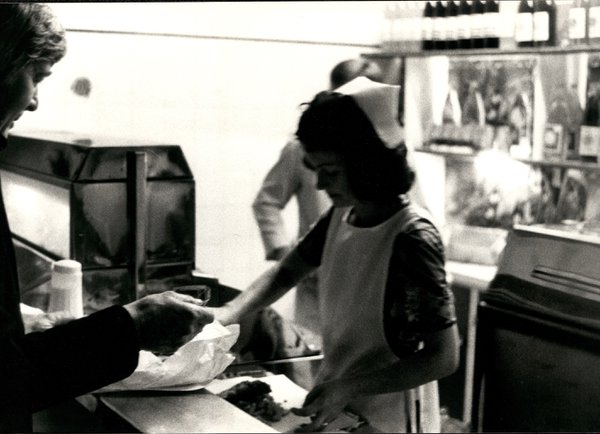
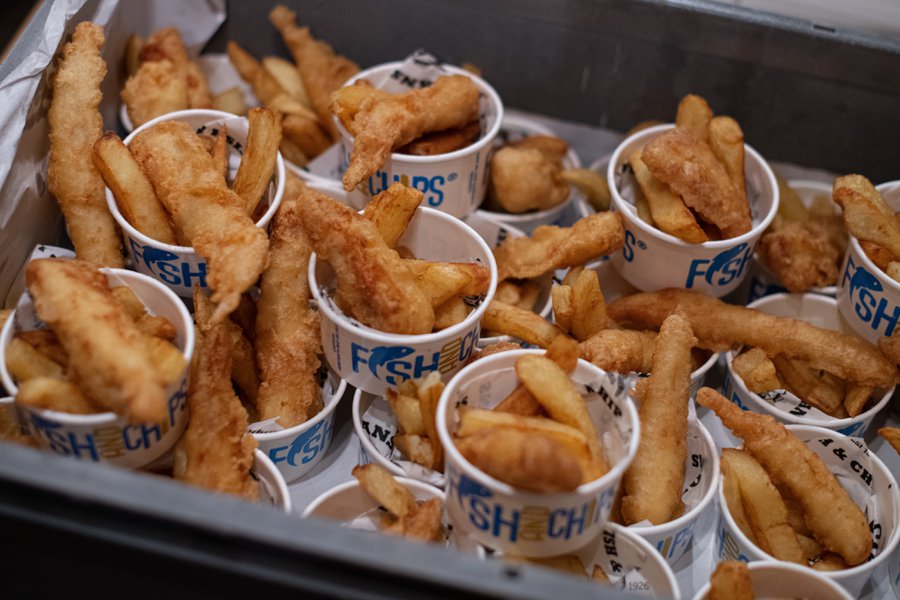
Over the years, Colmans has built up a reputation for excellence, picking up numerous awards regionally and nationally, including ‘Best UK Restaurant’ in the National Fish and Chip Awards, and ‘Top Eco Fish and Chips’ from Greenpeace. Five generations of the Colman family have worked in the business, and in 2017 the family opened their newest venture, Colmans Seafood Temple, transforming a former bandstand into a new iconic dining and cocktail venue a stone’s throw from Sandhaven Beach.
Although Colmans has been on Ocean Road for almost a century, the story actually begins in about 1903, with the arrival of Italian immigrants Amelia and Frederico Turrichi from Barga in Tuscany.Amelia and Frederico came initially to North Shields, but, so the story goes, as they disliked the pungent aromas of the fish quay, they hopped on the ferry and decided to make South Shields their permanent home. A somewhat ironic move, as fish would soon make their family’s fortune.
Frederico initially found work as a labourer at Brigham & Cowan’s ship repair yard, meanwhile Amelia opened a stall at South Shields Market Place, selling toffee and ice cream. Then in 1905, Frederico built a small hut on the beach at South Shields, selling Vimto and sweet goods. Business was brisk, allowing the pair to build a cafe on the foreshore. Then an even bigger, posher one was built, accommodating up to 350 diners, and including a palm court orchestra!
Minchellas: generations of gelato
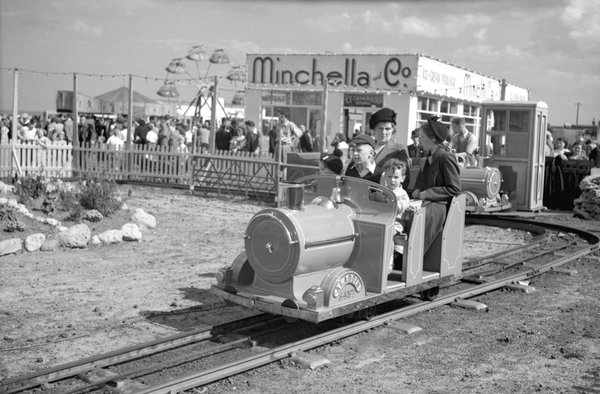
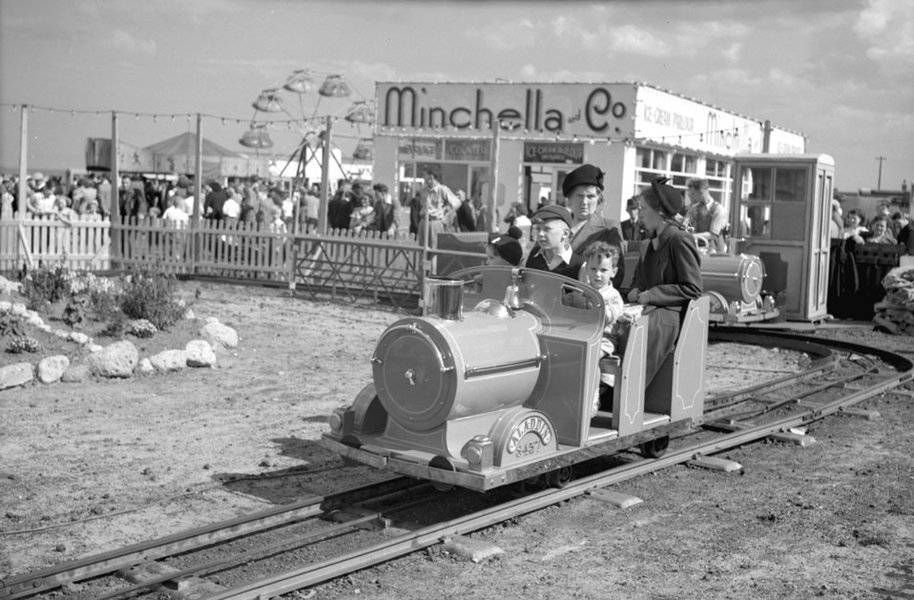
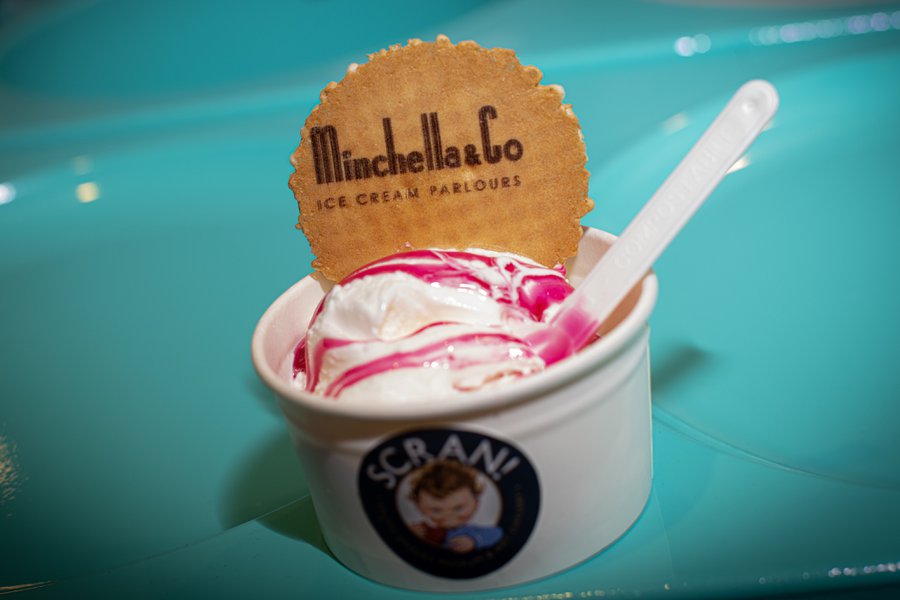
Minchellas ice cream is as much a part of South Shields as the sea, sand and seagulls. Since opening shop in South Shields in 1935, the Minchella family have regularly scooped national and international awards for their ice cream, and the Minchella name is seldom outside the top ten manufacturers in the country at the annual Ice Cream Alliance awards ceremony.
“Minchellas ice cream is the whitest ice cream I have ever seen, sweet and silky. I liked going to the beach with my dad and getting a tub or a 99. In the shop on Ocean Road I remember knickerbocker glories in tall glasses with long spoons.”— Karen Lockney
The history of the family in the North East begins with Giuseppe Minchella, who left his hometown of San Michele near Monte Cassino, Italy, to come to England at the turn of the last century.Young Giuseppe learned his trade with an ice cream manufacturer in Sunderland, before starting out on his own in Houghton-le-Spring.His first ice cream parlour in South Shields was on King Street in 1935, then after a bombing raid destroyed that premises in October 1941, Giuseppe relocated his business to a new parlour on Ocean Road, from where his great grandson Joe Minchella continues to trade today, as Minchella & Co.
The icecream seller who broke the law
Before the advent of ice cream vans with melodic chimes, Luigi Minchella sold the family’s ice cream in the streets from a horse and cart, blowing a whistle to announce his arrival to the nearby children.Strict Sunday trading laws meant that Luigi’s actions were illegal on the Sabbath, so nearly every Monday morning he would find himself before a Magistrate and would be fined five shillings for his misdemeanour. But because his “crime” was so habitual, the fine was increased to seven shillings 6 pence.
Wright’s Biscuits: When Tyne Dock smelled of gingerbread
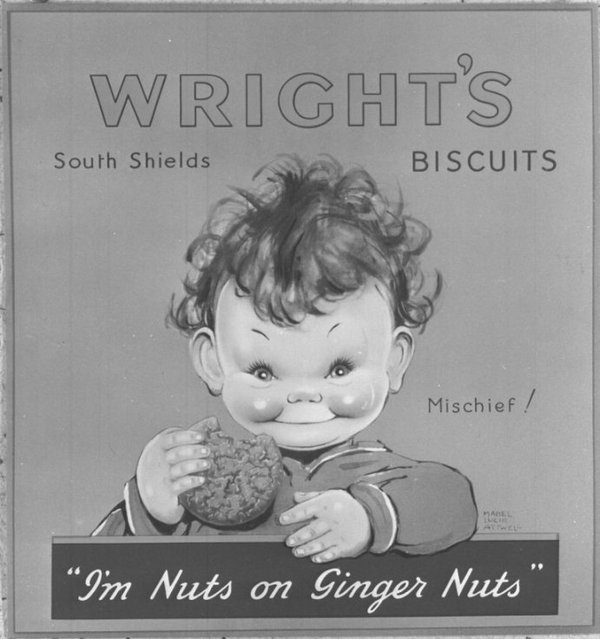
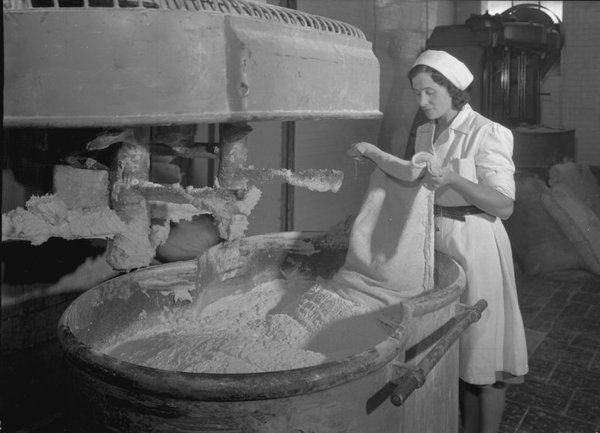
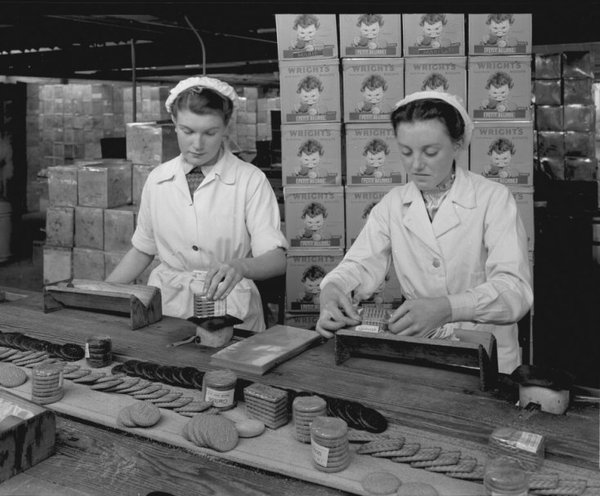
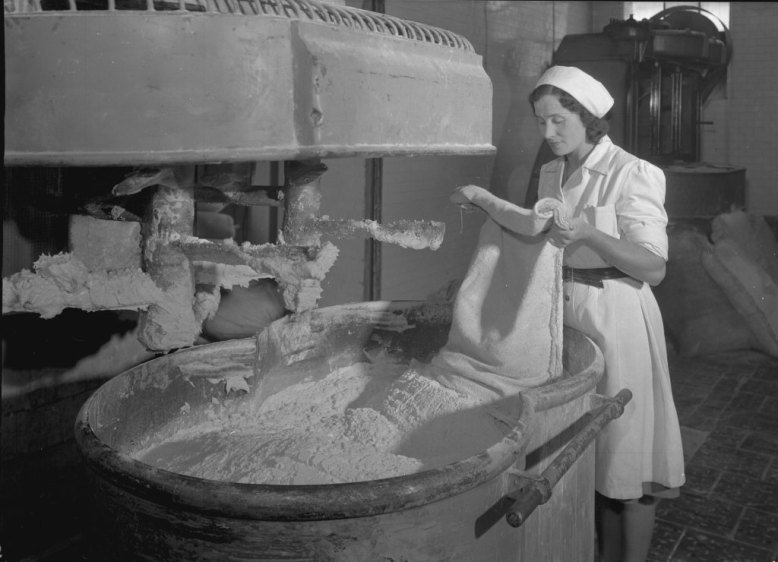
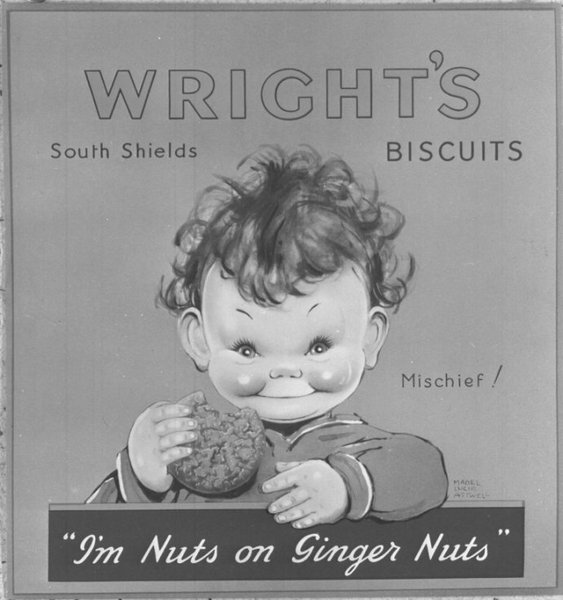
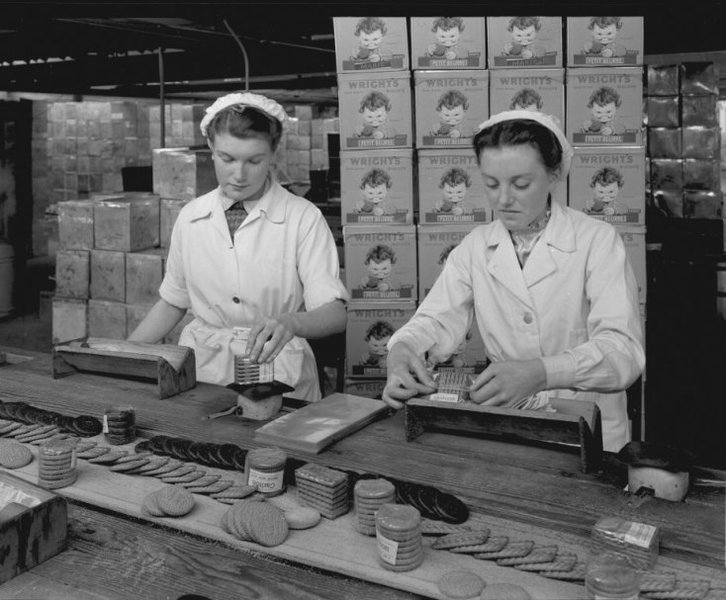
Wright’s Biscuits was a big employer in South Shields, particularly of women, and an important part of the local community in Tyne Dock, where the factory was located from 1898. The substantial red brick factory building with its tall chimney was a local landmark, but Wright's also made its presence known by the sweet smell of freshly baked biscuits that pervaded the whole area, especially when gingerbread was being baked.
The original Wright's Biscuits stretched back to 1791. In the early days it was a grocer and ships chandler, as well as a biscuit manufacturer. Wright’s was said to be the first firm to use steam powered machinery to manufacture its biscuits, and during the Franco-Prussian War of 1870-71, 50 tons of biscuits a week were produced for the French Government.
Large quantities of ships’ biscuits were produced to supply the many sailing ships that docked on the Tyne. When the number of sailing ships declined in the late 1800s, so too did the market for ships’ biscuits.Wright’s adapted by shifting its production to ‘fancy biscuits’, making all sorts of varieties from ginger nuts to arrowroot wafers, coconut fingers, custard creams and many more besides. Although the wages were relatively low, Wright’s employees were said to be a happy bunch, and the firm had a welfare fund for those “striking hard times”.
How Ocean Road became a destination for South Asian food
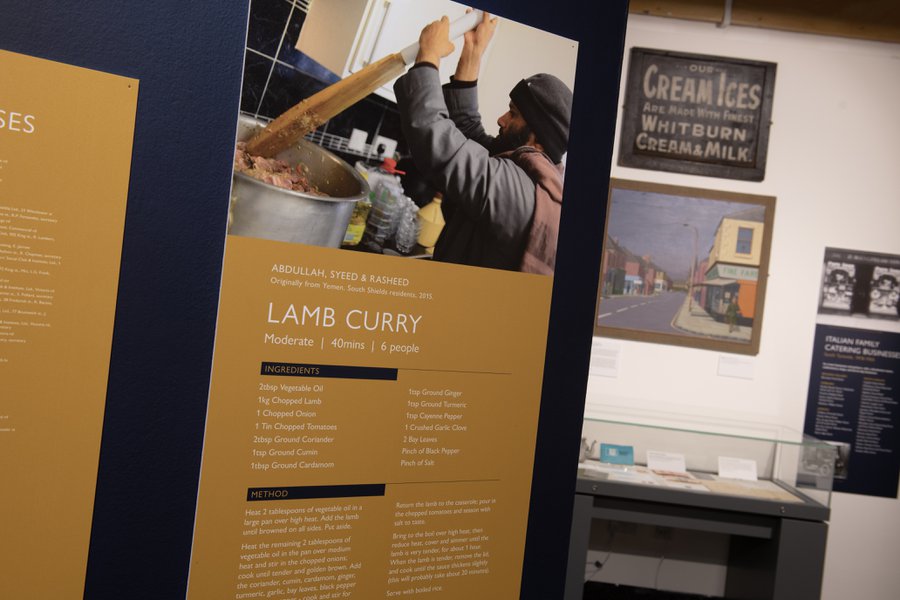
There is a thriving Bagladeshi community in South Tyneside, with a rich cultural heritage that includes food. British Bangladeshi families now span a number of generations in South Shields, and many of Ocean Road’s restaurants are run by families that originally moved to the area from the 1950s onwards.
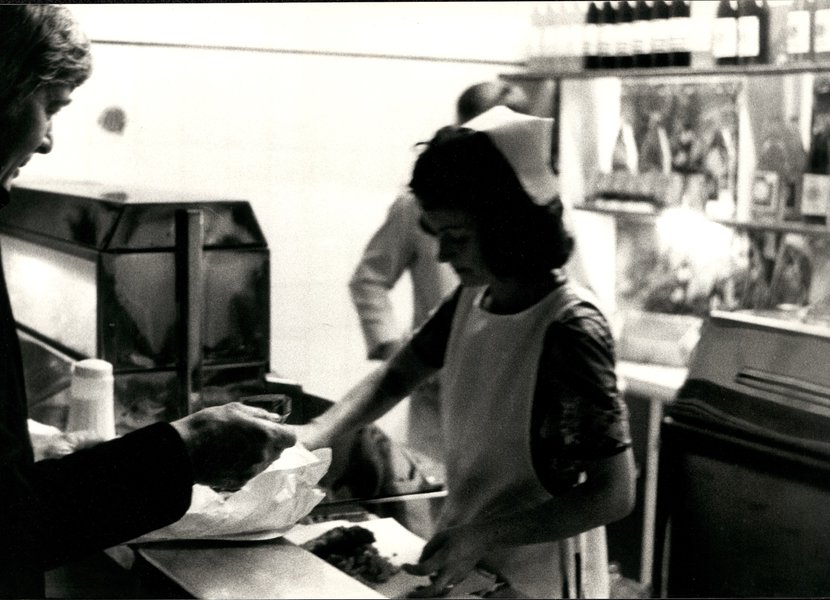
In the 1950s people from Bangladesh (which was then called East Pakistan) were invited to work in the UK and help rebuild the country after the Second World War.People moved from areas like Sylhet in North East Bangladesh to work in the factories of Yorkshire, Lancashire and the Midlands. Many became British citizens and settled here with their families.When factories closed in the 1970s and 80s many Bangladeshis moved to different parts of the UK and opened restaurants. The first Indian Restaurant to open in South Tyneside was the Anglo Asian in 1958 on Ocean Road.
In the 1960s there were only a handful of Asian restaurants and cafes in South Shields - including the Anglo Asian, Bengal Restaurant and Star of India. By the mid-1980s there were over 20, and Ocean Road became internationally famous. There are now more shops selling South Asian food imported from overseas.
“My mam told me I didn’t like curry and I believed her. As a kid I only ever saw curry in a Vesta packet. Food from other countries wasn’t really a thing. I was 21 before I first ate a curry in an Indian restaurant, and I thought it was the most delicious thing I had ever eaten.”— Karen Lockney
The British-Bangladeshi community in South Shields has grown since the 1950s and now plays an important role in the town’s cultural life. Community organisations like CREST and Apna Ghar support communities, promoting equality and social justice. In 2022 the town celebrated the 50th anniversary of Bangladeshi independence with a mela on Ocean Road.