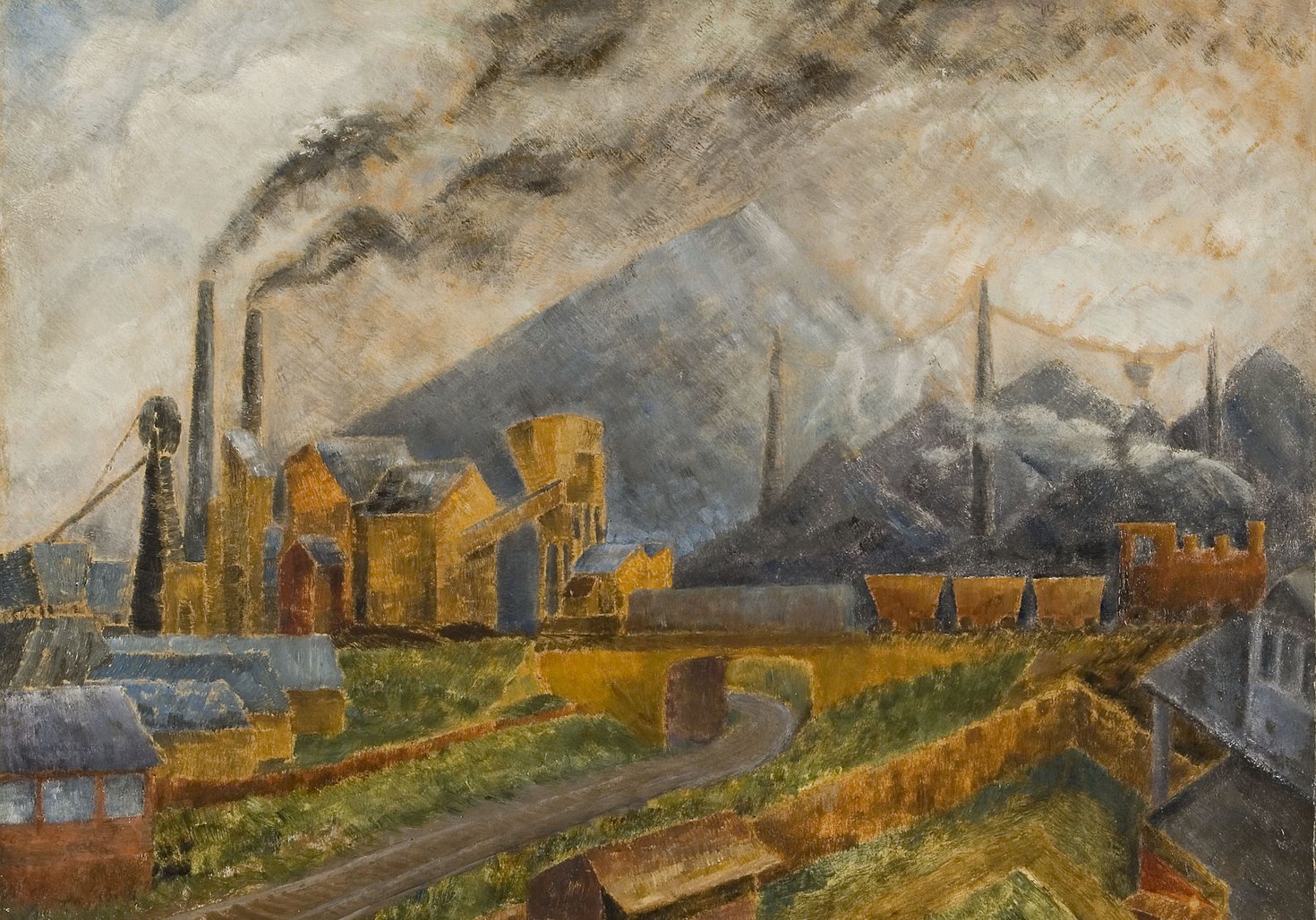
Ashington Colliery | Harry Wilson
c.1936 © The Ashington Group Trustees
Managed by North East Museums on behalf of Northumberland Council
The Ashington Group, also known as the Pitmen Painters, produced hundreds of paintings showing what life was like both above and below ground for their mining communities in Northumberland.
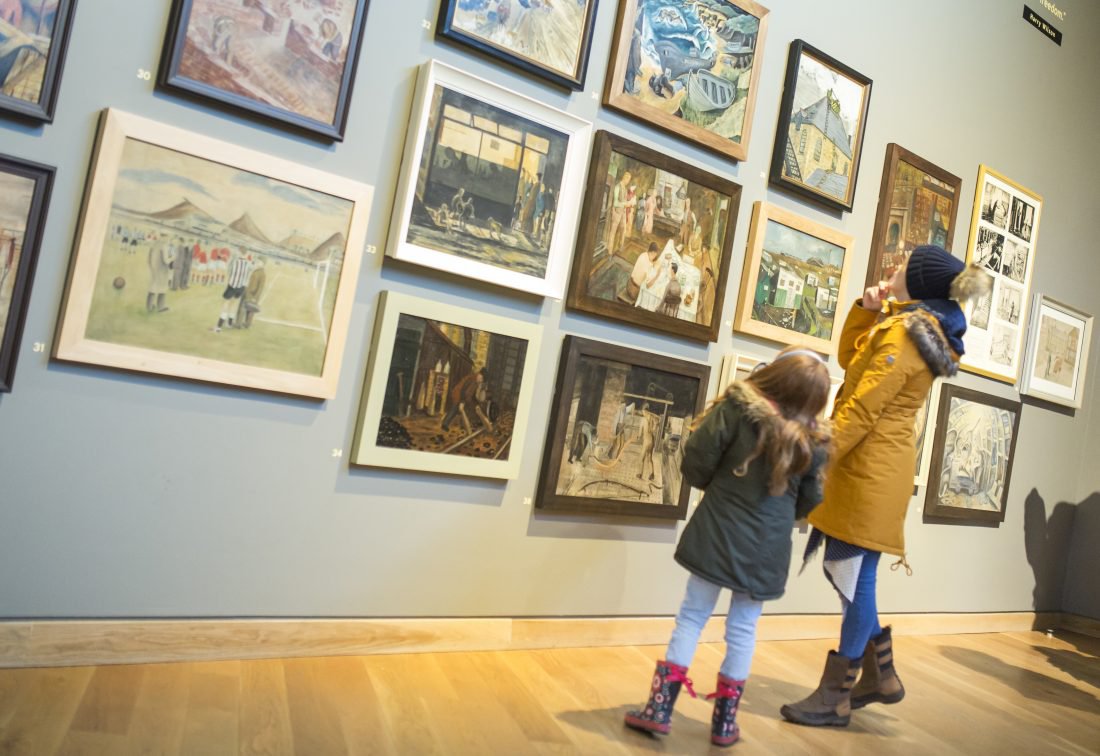
The Ashington Group, also known as the Pitmen Painters, created hundreds of remarkable works that capture life both above and below ground in Northumberland’s mining communities.
What began in 1934 as an art appreciation class run by the WEA (Workers’ Educational Association) quickly turned into something extraordinary. Encouraged by their tutor to learn by doing, the miners picked up their brushes — and discovered a new way to express their world.
For the next fifty years, the group met weekly, experimenting with different techniques, styles, and materials. Their powerful story later inspired Lee Hall’s celebrated play The Pitmen Painters.
'Start painting – it’s as simple as that.'
— Oliver Kilbourn, Pitmen Painter
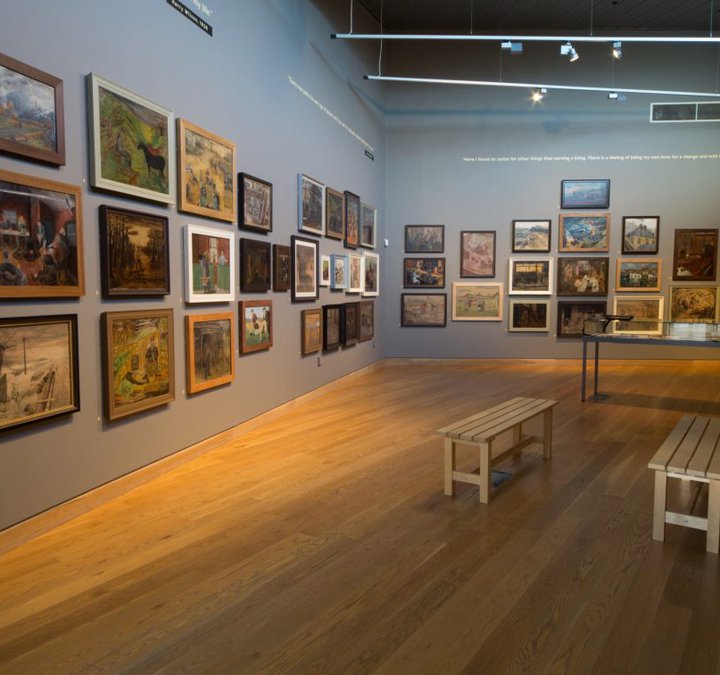
Today, The Ashington Group Collection is proudly displayed in a permanent gallery, supported by the Ashington Group Trustees — ensuring that the spirit and creativity of these remarkable artists live on.
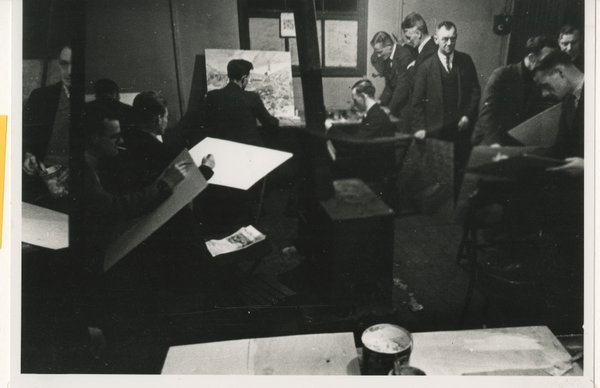
The paintings created by The Ashington Group are a unique and precious record of days gone by. More than just a photographic record these works help provide a glimpse into the everyday life of pitmen in the Northumberland town of Ashington.This amateur art group was founded in 1934 by local miners. With great enthusiasm and no little talent, they were able to illustrate their thoughts and feelings far more effectively through art than they could ever put into words. From its early days, as an art appreciation class, the Ashington Group created an important historical record.
It all started in 1934 when a group of men began a course in art appreciation run by the WEA (Workers Educational Association) under the guidance of Robert Lyon. The men had previously studied evolution and wanted to do something different.Robert Lyon soon realised their lack of knowledge regarding art did not stop their enthusiasm for the subject, which soon led to them experimenting in the different techniques themselves. Lyon said, 'the group did not want to be told what was the correct thing to look for in a work of art but to see it themselves why this should be correct: in other words, they wanted a way, if possible, of seeing for themselves'. They began to learn by doing with weekly homework subjects for the men to complete at home and then bring to group each week so the group could critique.
In 1936 The Ashington Group held its first exhibition in the Hatton Gallery in Armstrong College, Newcastle. The Group developed its own impetus and their paintings became increasingly Ashington-centred, depicting their surroundings and daily lives. During the 1930s, outsiders became fascinated by what they tended to regard as a rare and admirable exercise in working men’s art. To the organisers of Mass Observation (a forerunner of market research set up by poets and sociologists) it represented a true development of documentary culture. These men painted their own lives, testified to experiences that no one else, from trained art backgrounds, could truly understand. When the war came, the men painted the building of shelters, the arrangements for gas masks, for evacuation, for extra shifts and Dig for Victory.
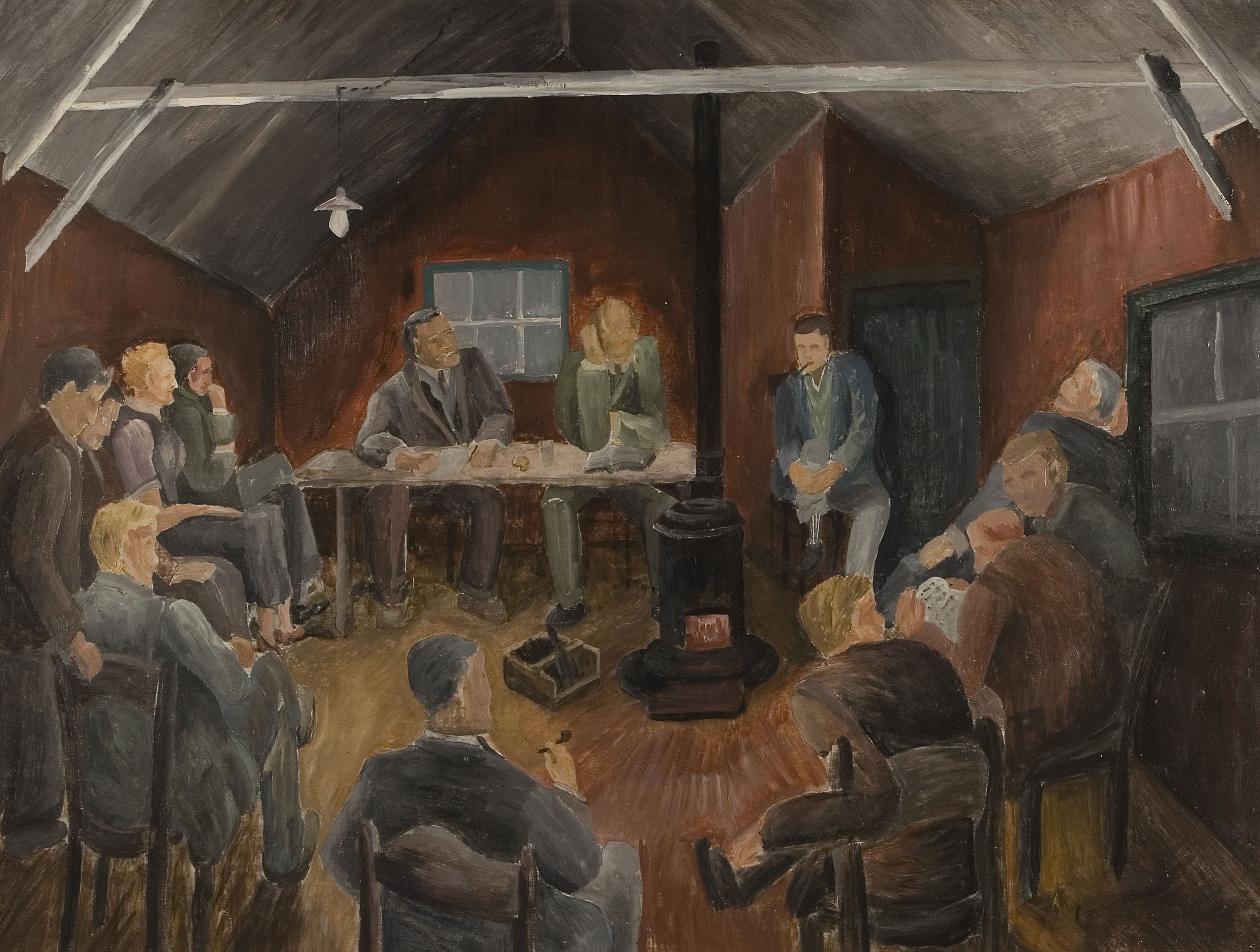
The Group reconstituted itself with a rule book and settled into a new phase. They moved their hut from Longhorsley to Ashington and erected it on waste ground in Hirst Yard behind the Central Hall. They met weekly, tried sculpture, dabbled in abstraction, but remained basically loyal to the early teachings, that they should express themselves by painting what they knew. In the 1970s there was a revival of interest in the Group from outside. Exhibitions in Durham and in the Whitechapel Art Gallery in London brought the paintings to light again. They were shown in Germany, the Netherlands, and in 1980 were taken to China and shown as the first exhibition from the West since the Cultural Revolution.
Paintings were sold at exhibitions to help raise funds for material and running the hut, but paintings that were regarded as the best were kept for the Permanent Collection. This soon amounted to more than a hundred works, originally stored in the hut and then in 1989 moved to Woodhorn Museum, under an agreement made between Oliver Kilbourn and Wansbeck District Council. In 2006, as part of the museum redevelopment, the permanent gallery space in the Cutter Building at Woodhorn Museum gave the Ashington Group their permanent home.
The Agreement (1989) establishing a permanent gallery for the Ashington Group collection of paintings at Woodhorn Museum, was originally between Oliver Kilbourn (who held the collection in trust from all the other painters) and Wansbeck District Council.
Under the terms of the Agreement, there is a co-trustee (Bill Feaver) who has the power of veto and must be consulted about the paintings in the collection, including their disposal if there is a serious default in their management.
Ian Lavery: MP for Wansbeck, Former President of the National Union of Mineworkers (Chairman of the Trustees).
Bill Feaver: Painter, writer, and critic; the original co-trustee and author of 'Pitmen Painters'.
Anne Bacon: former Head of Conservation, Northumbria University.
George Laidler: son of group member Fred Laidler; the members were part of his life from childhood.
Roy Stephenson: Son of George Stephenson who was the original co-trustee and champion of the Ashington Group.
Dr Narbi Price: Renowned Tyneside painter and academic.
If you can't make it to visit the Ashington Group Gallery in person, you can browse our virtual gallery below. These paintings, selected by The Ashington Group Trustees, are on permanent display at Woodhorn Museum.
c.1936 © The Ashington Group Trustees
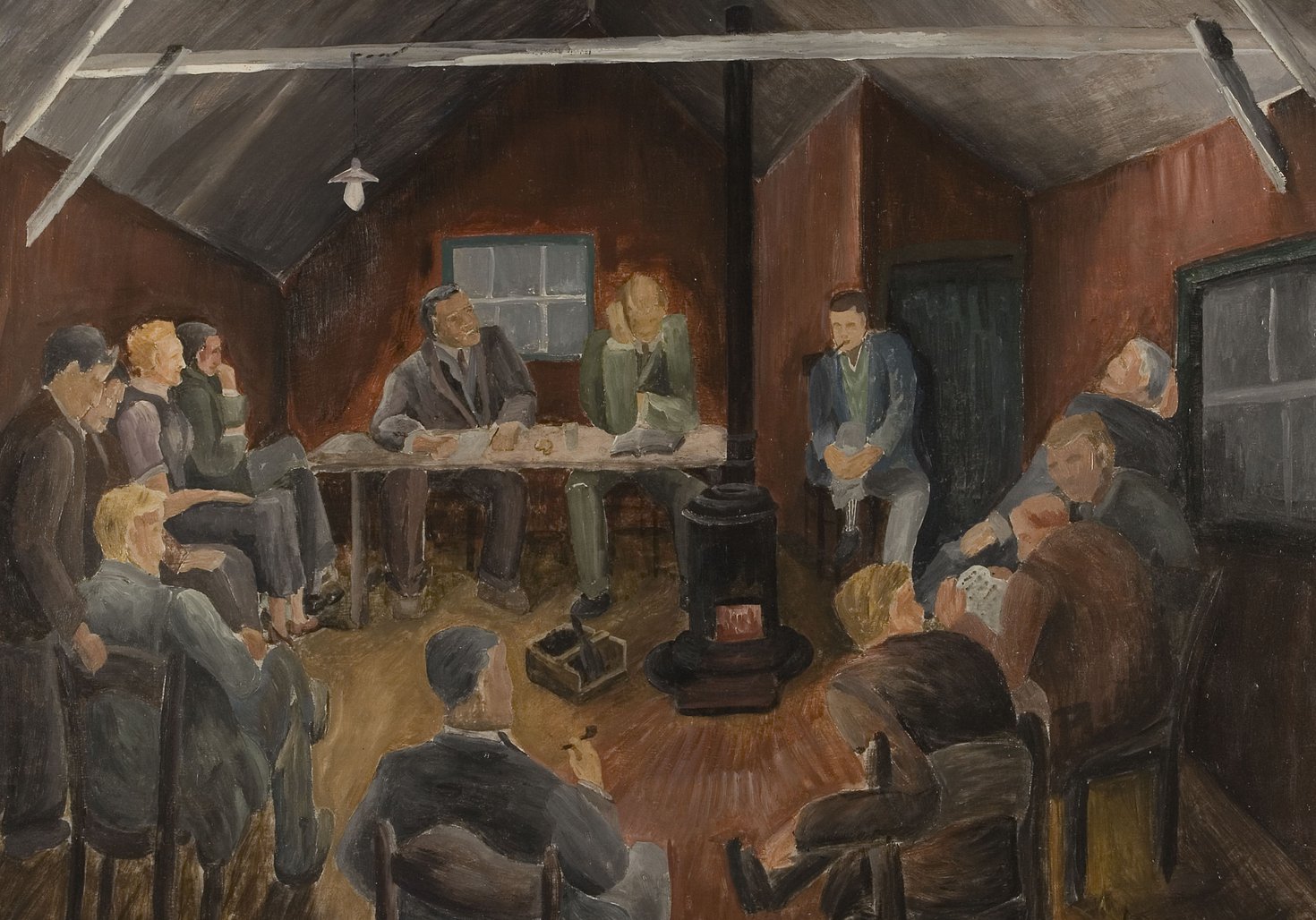
1937 © The Ashington Group Trustees
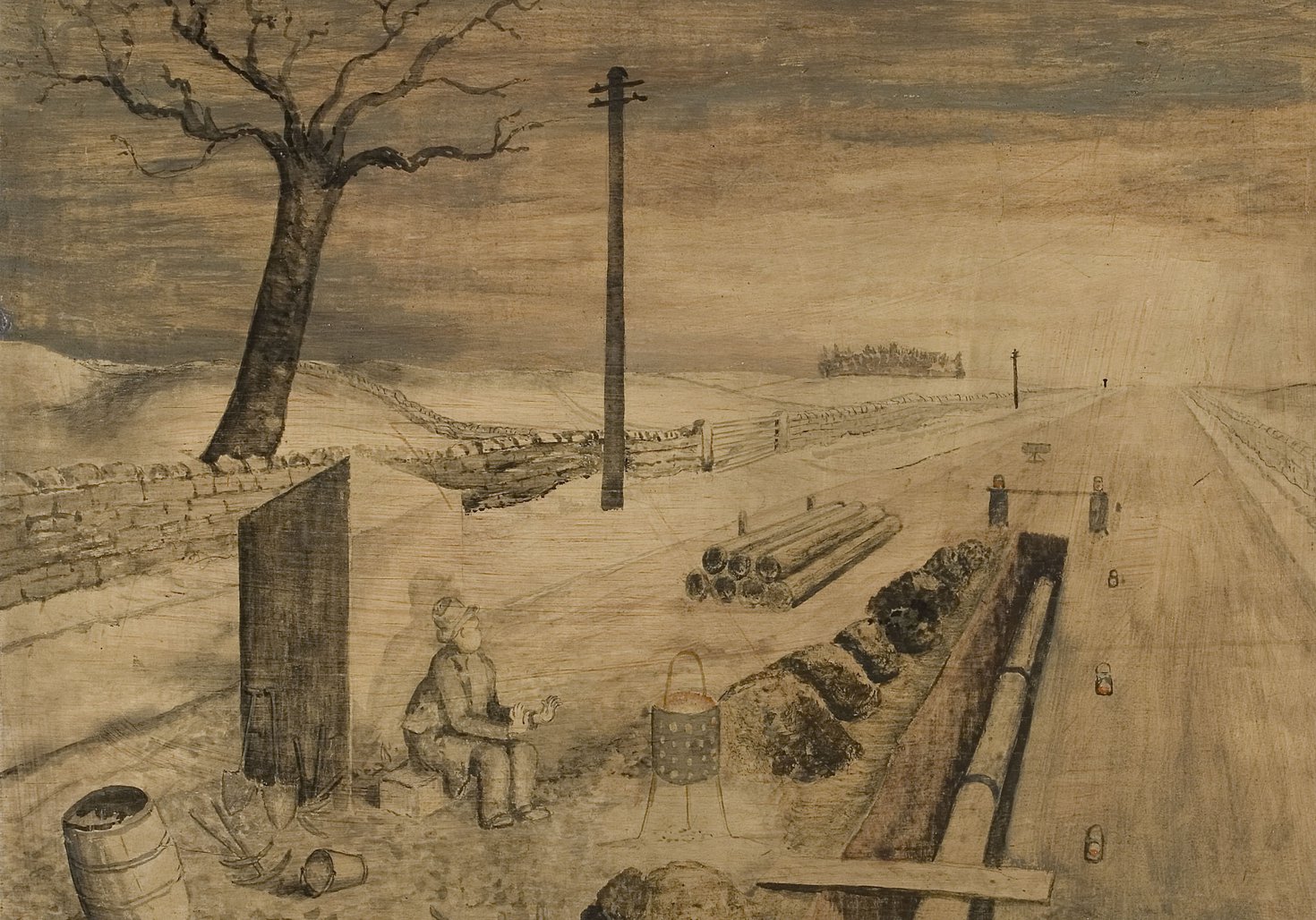
1937 © The Ashington Group Trustees
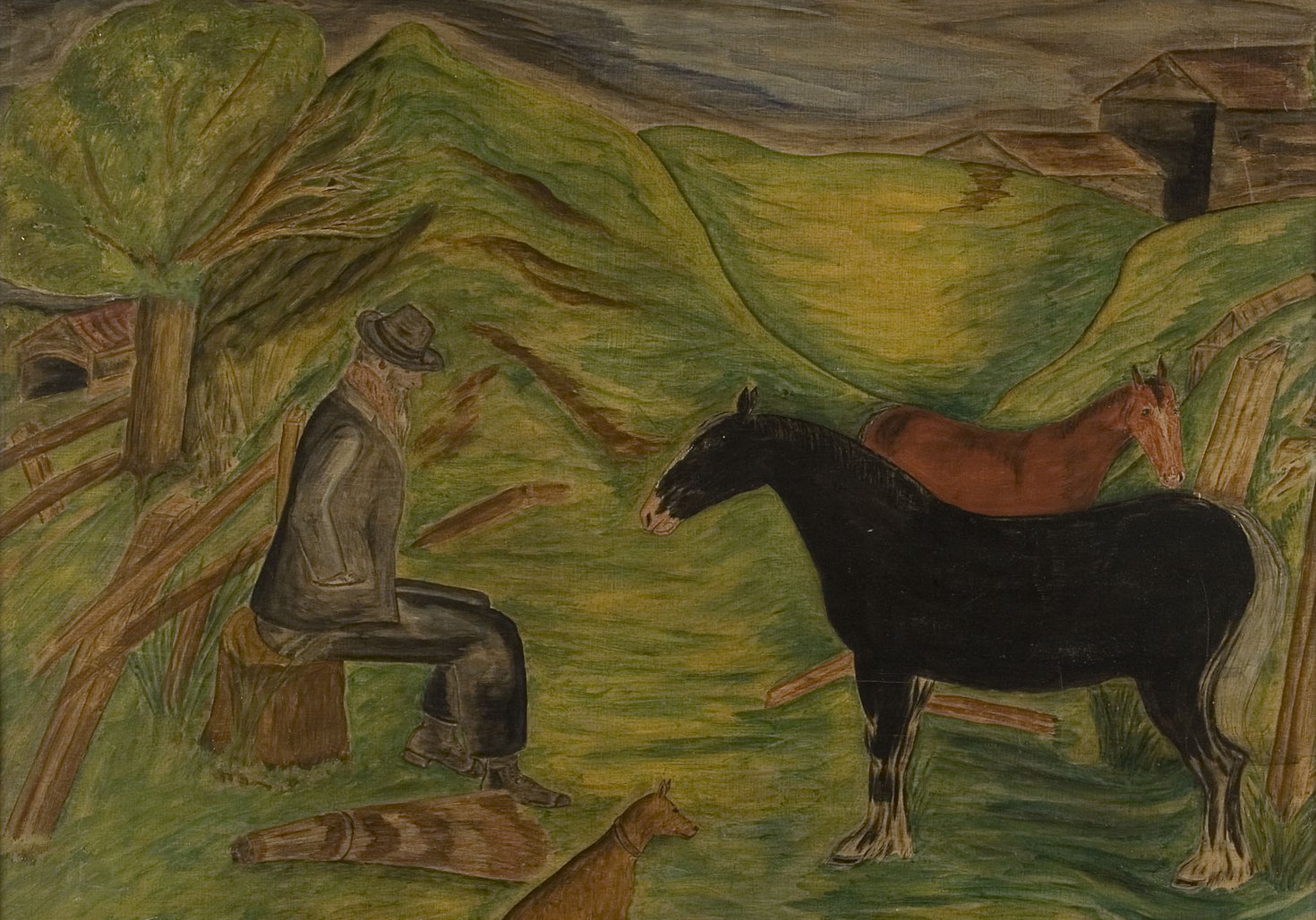
© The Ashington Group Trustees
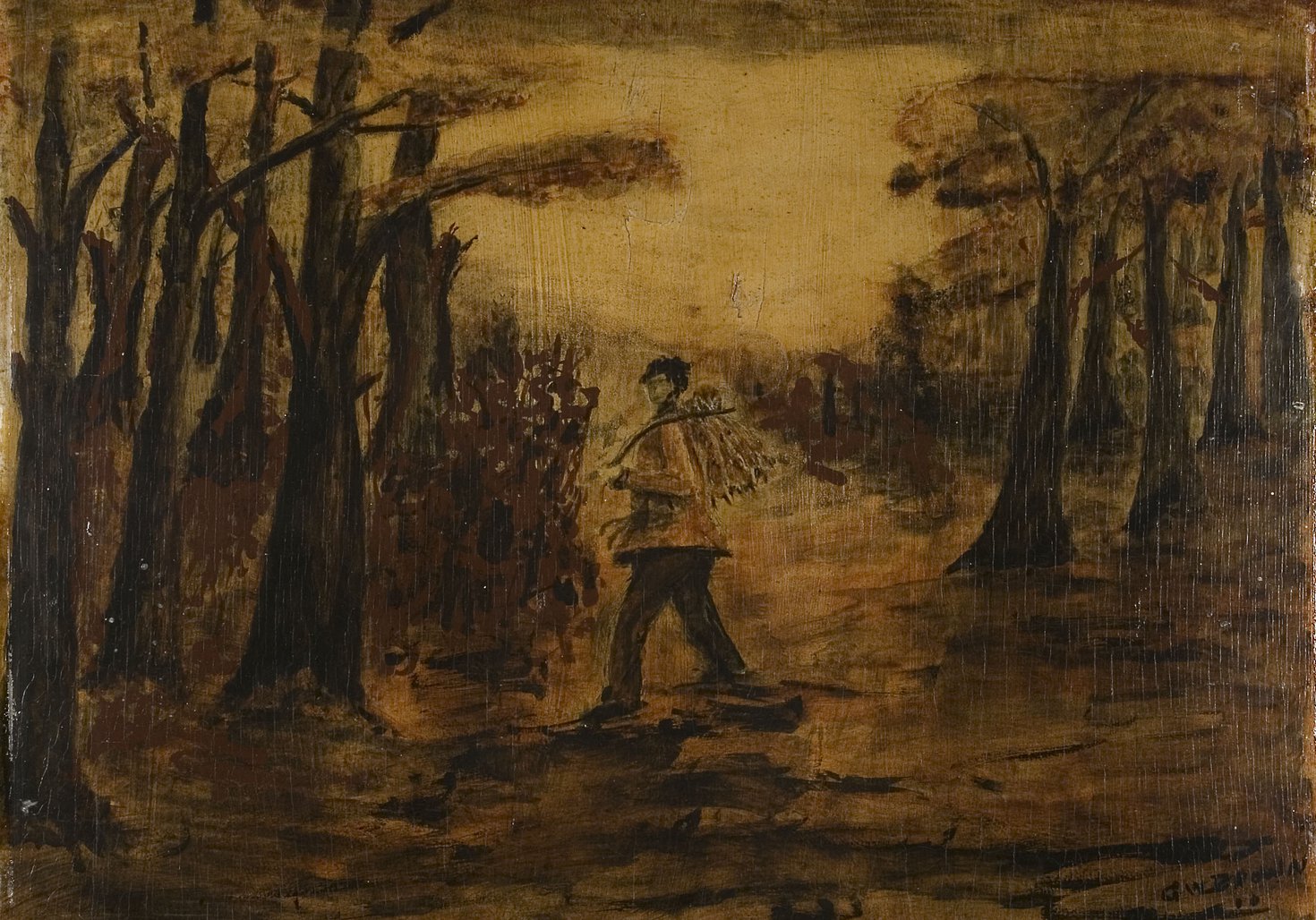
1935 © The Ashington Group Trustees

c.1935 © The Ashington Group Trustees
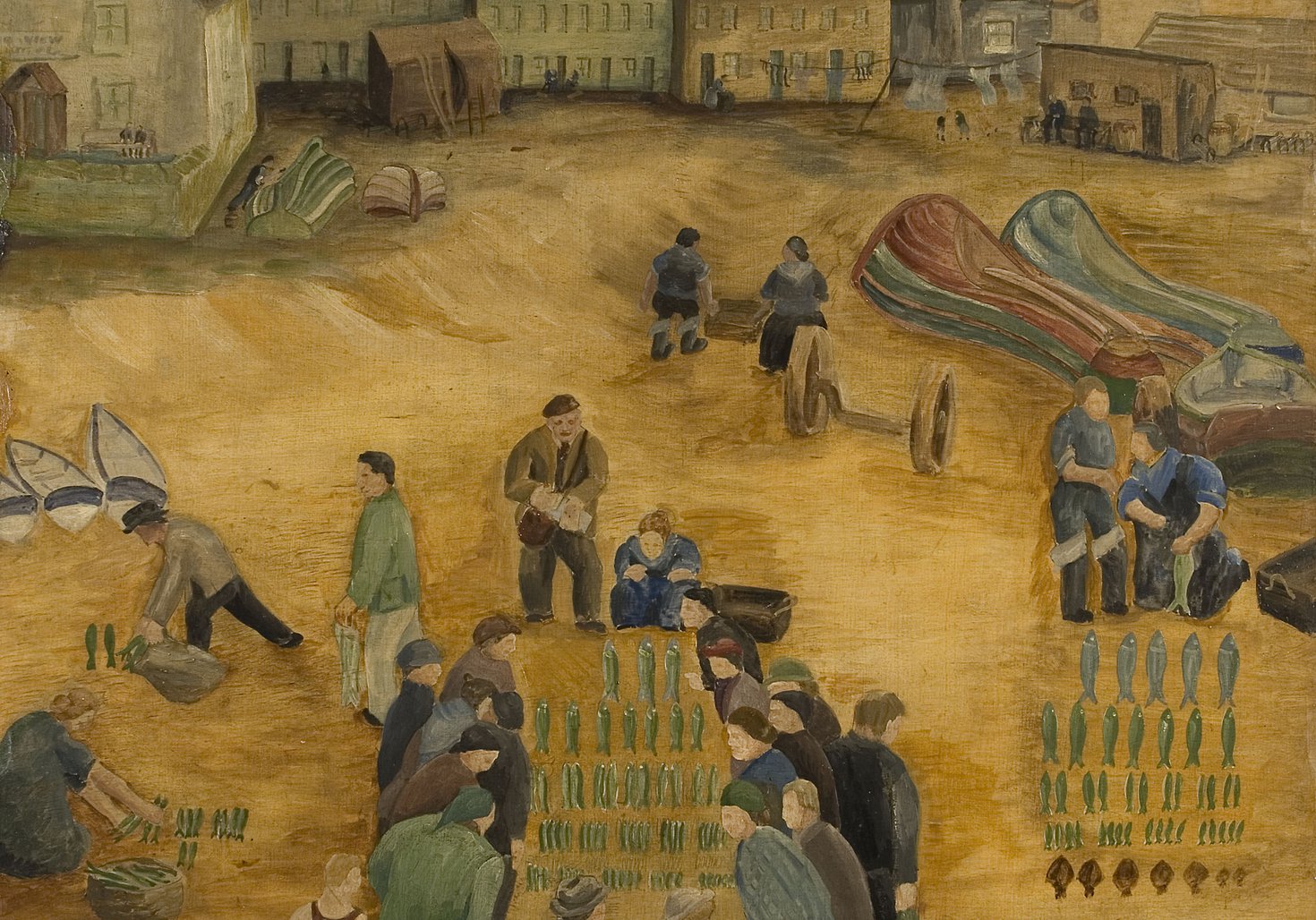
1938 or 1939 © The Ashington Group Trustees
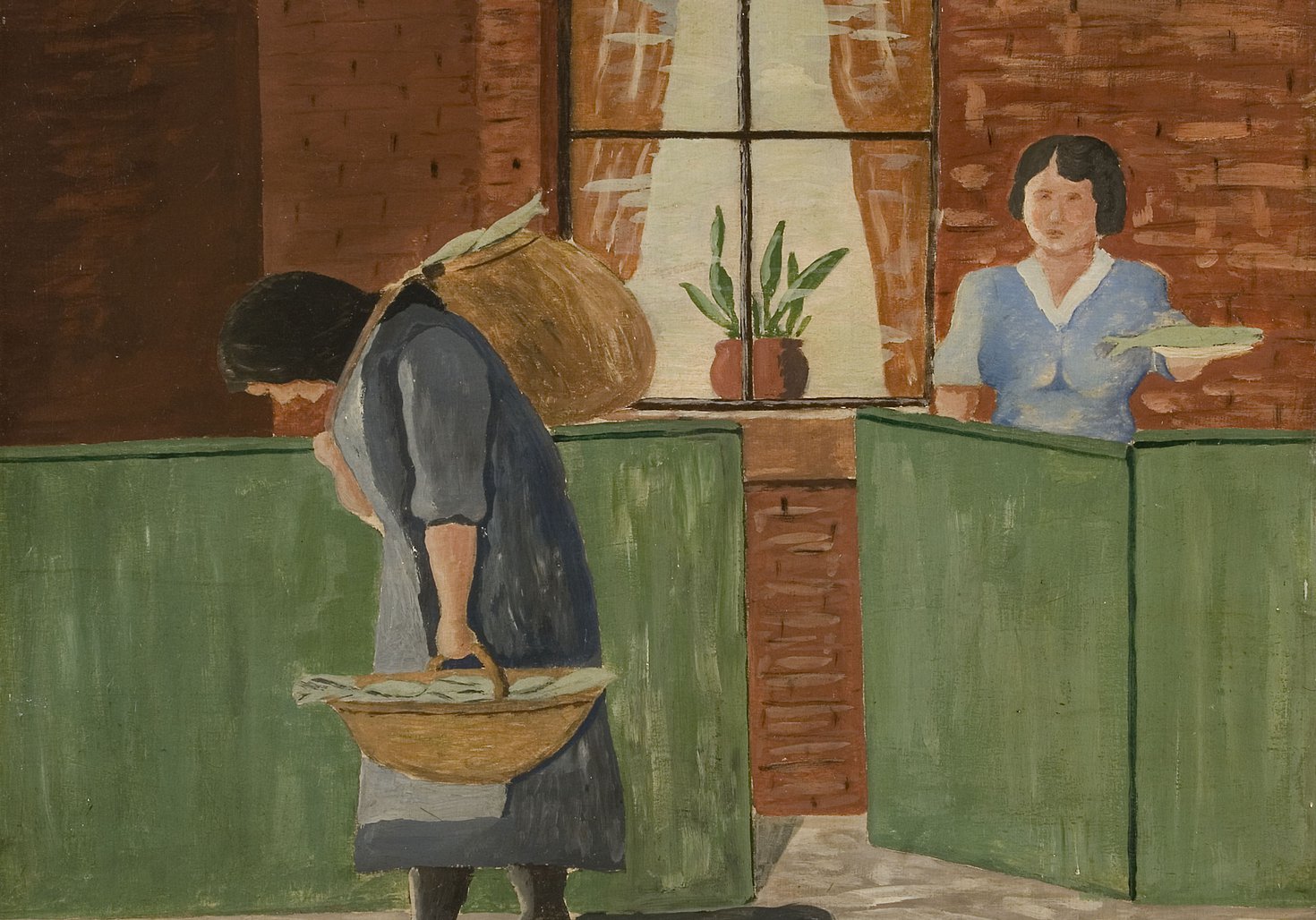
c.1938 © The Ashington Group Trustees
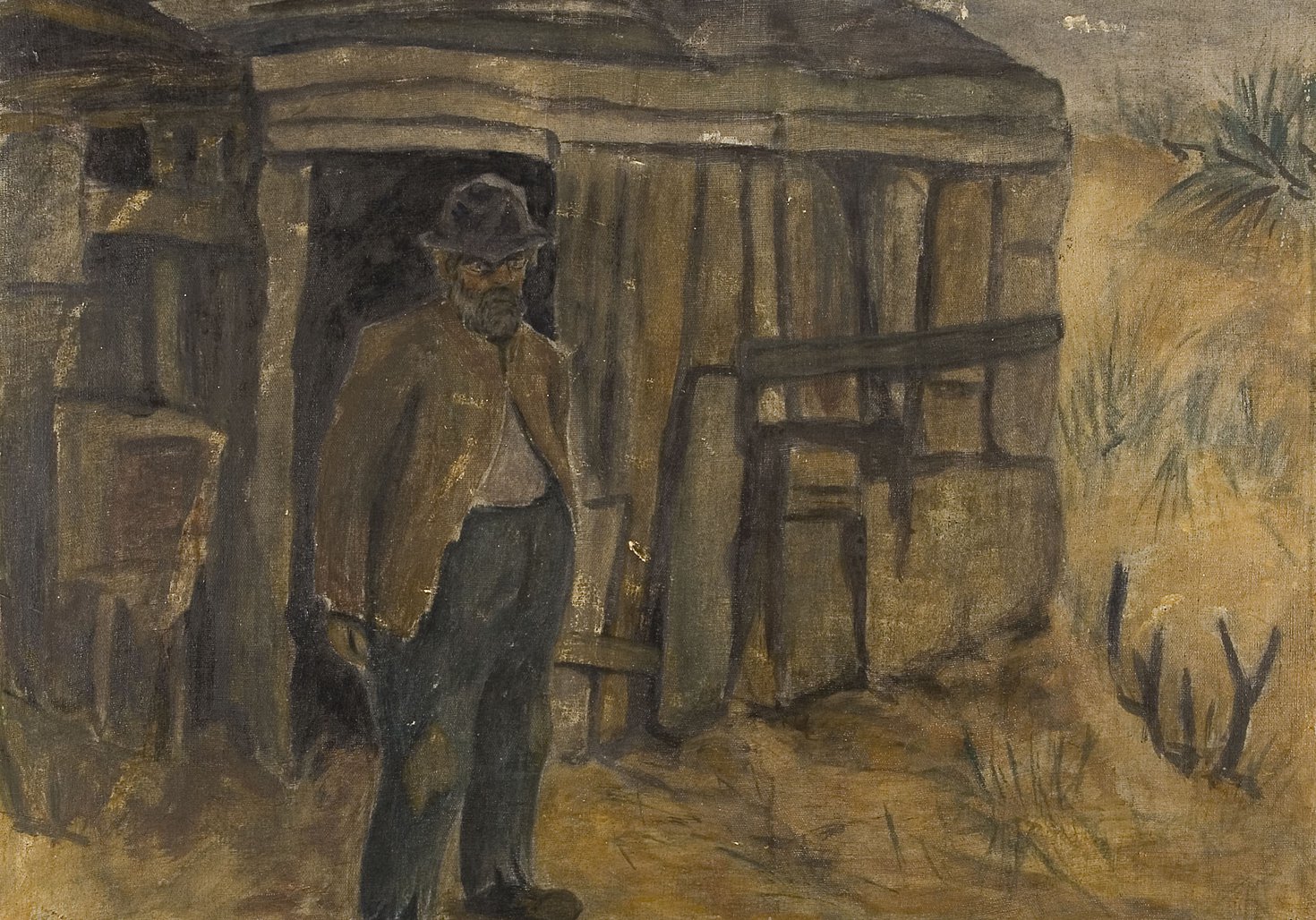
c.1935 © The Ashington Group Trustees
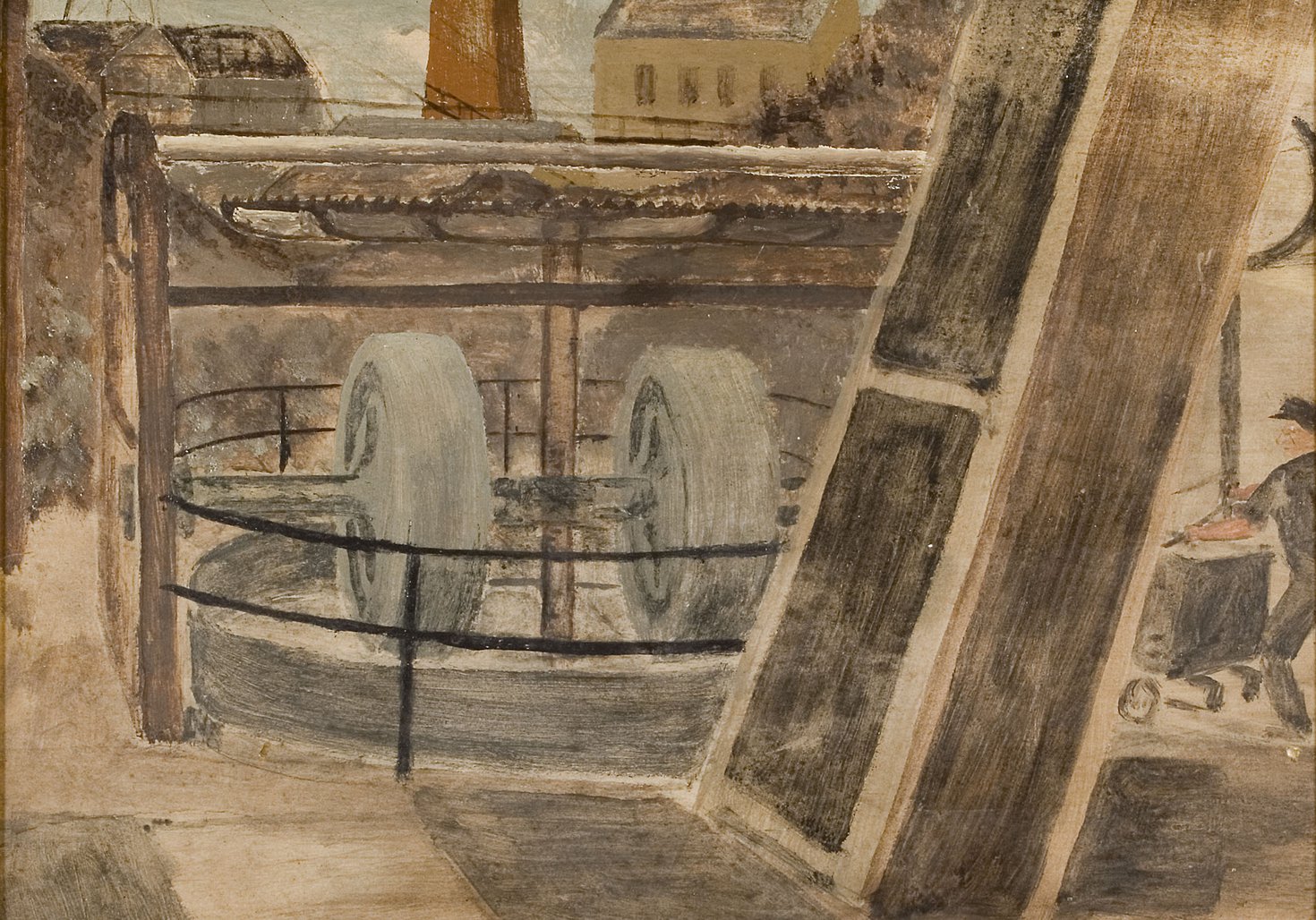
© The Ashington Group Trustees
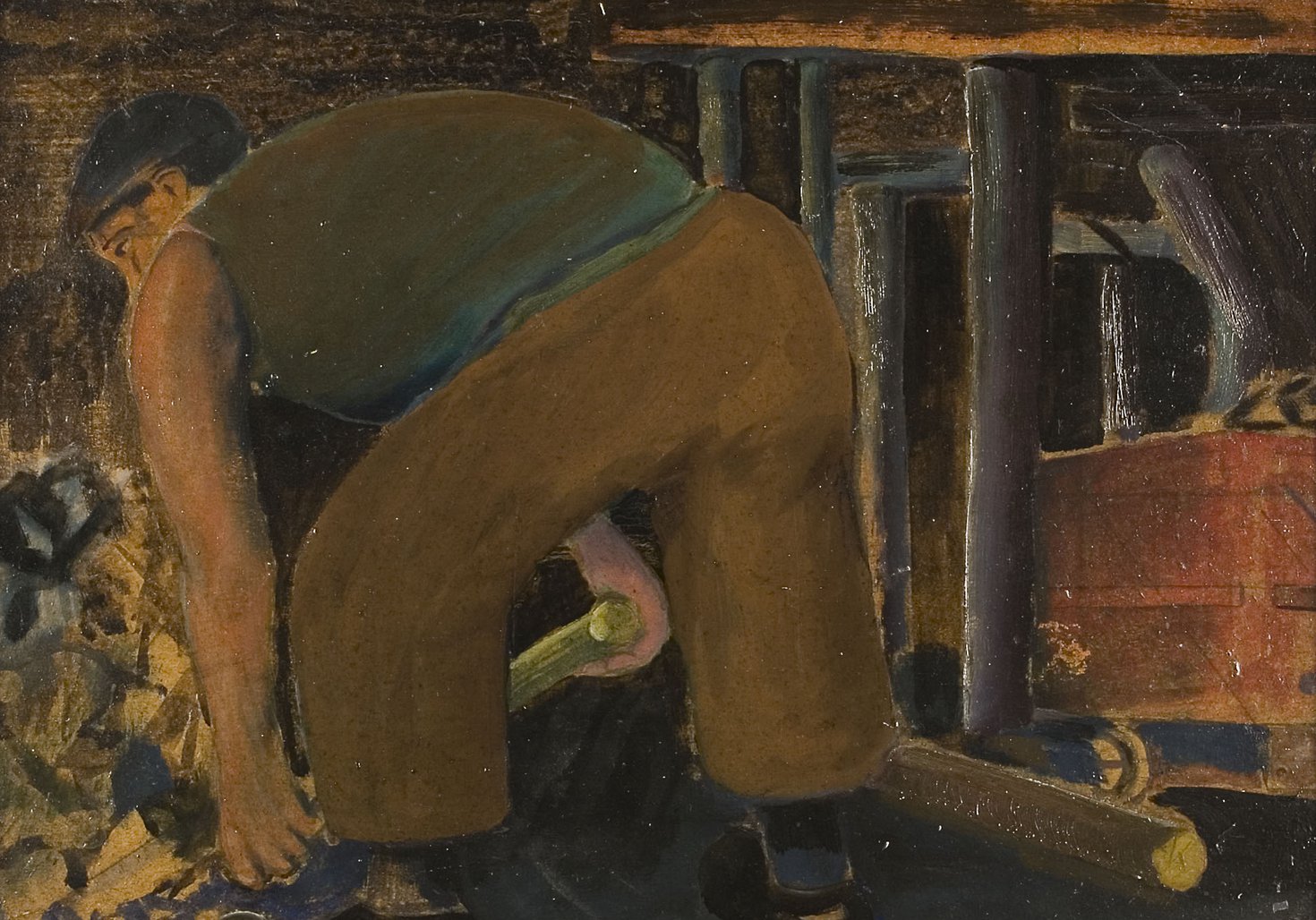
c.1935 © The Ashington Group Trustees
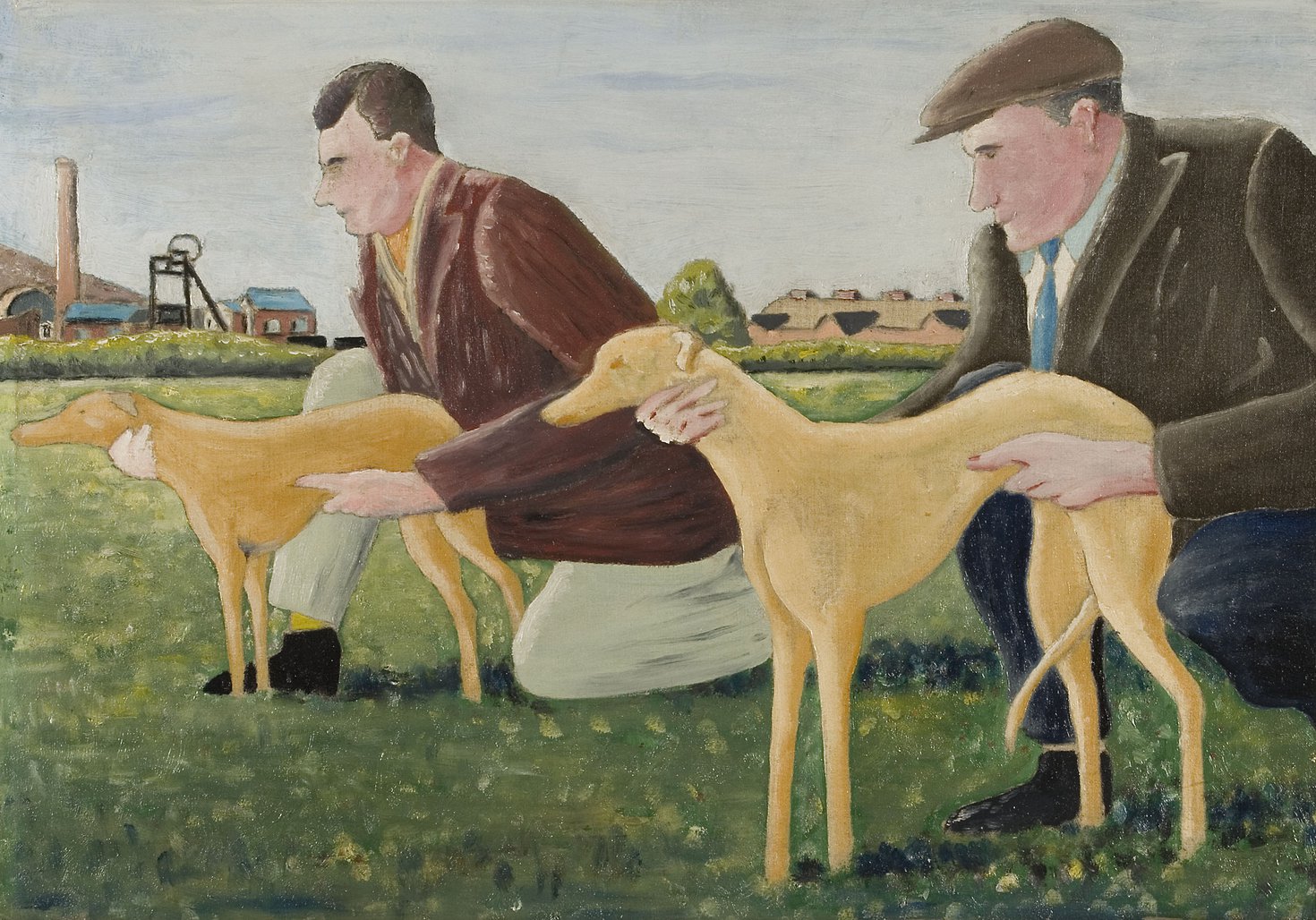
c.1939 © The Ashington Group Trustees
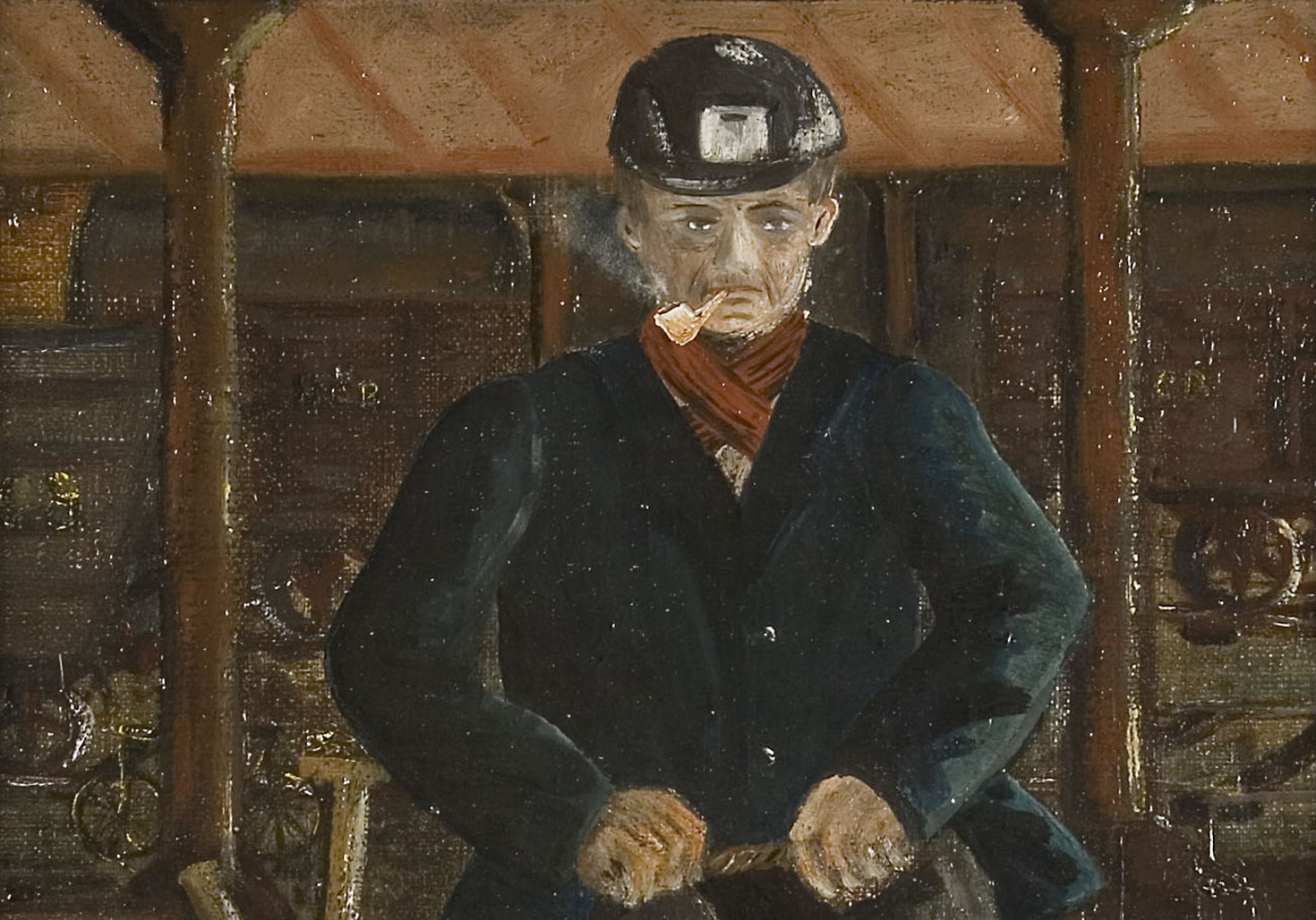
c.1939 © The Ashington Group Trustees
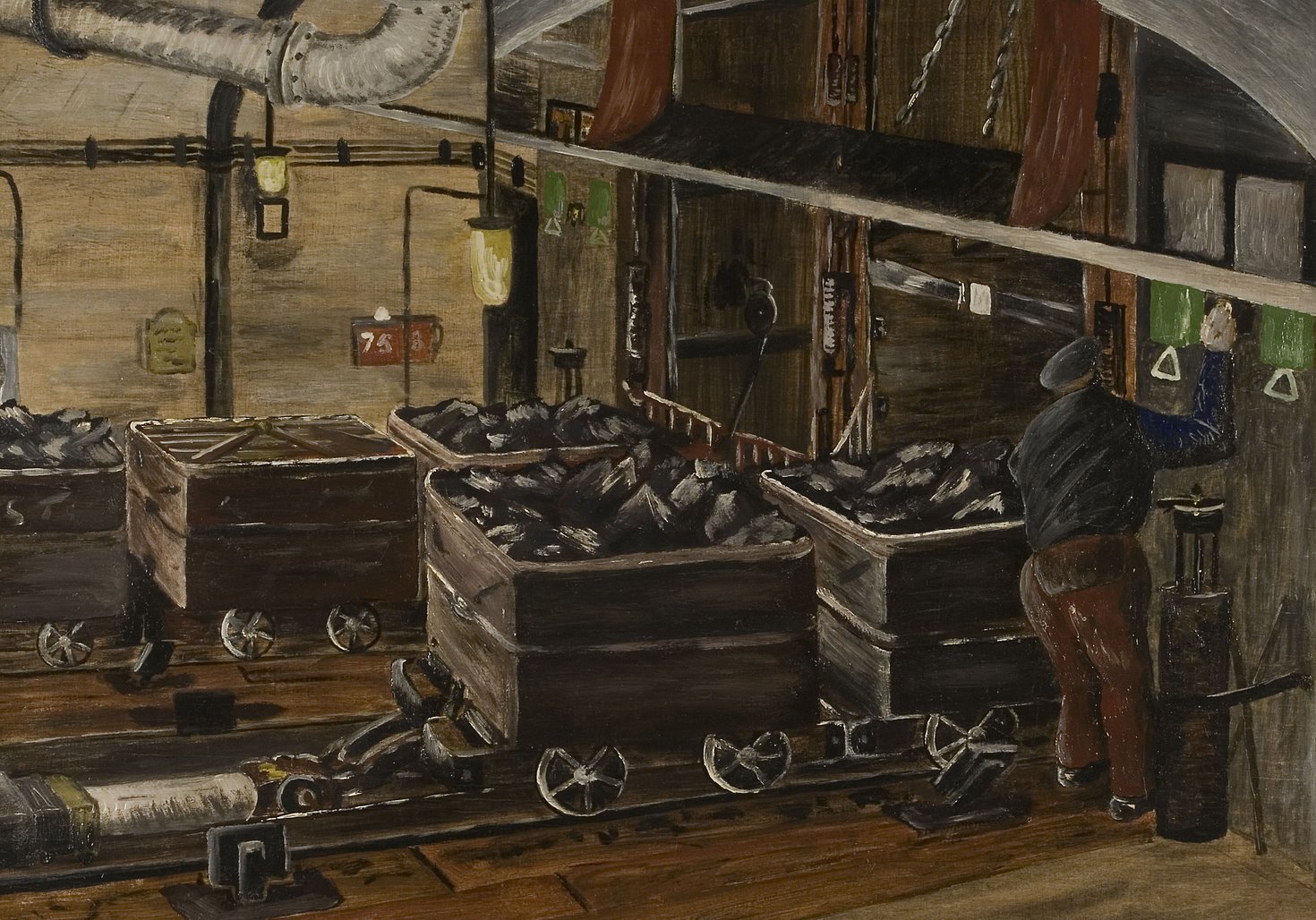
c.1942 © The Ashington Group Trustees
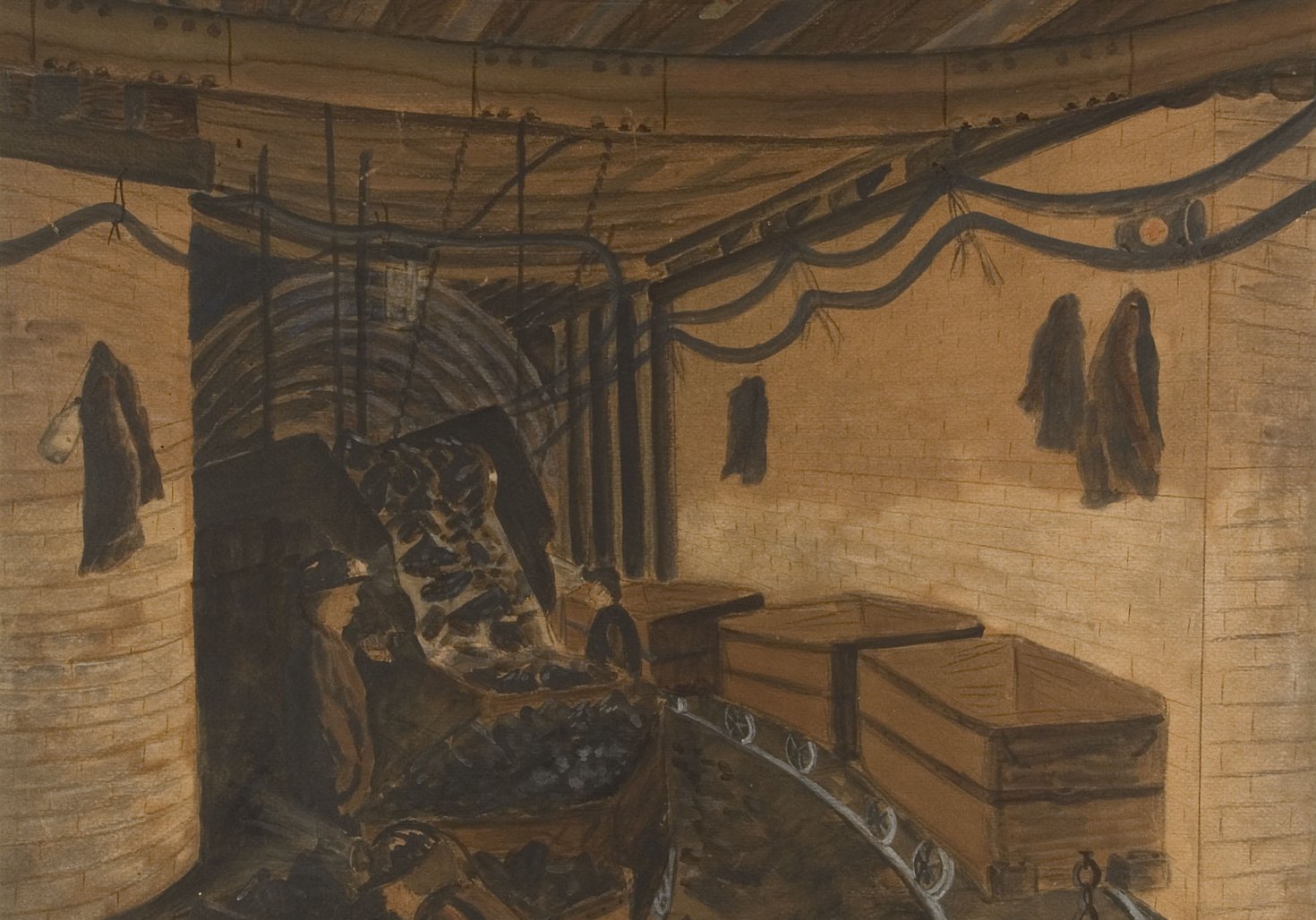
1947 © The Ashington Group Trustees

1947 © The Ashington Group Trustees
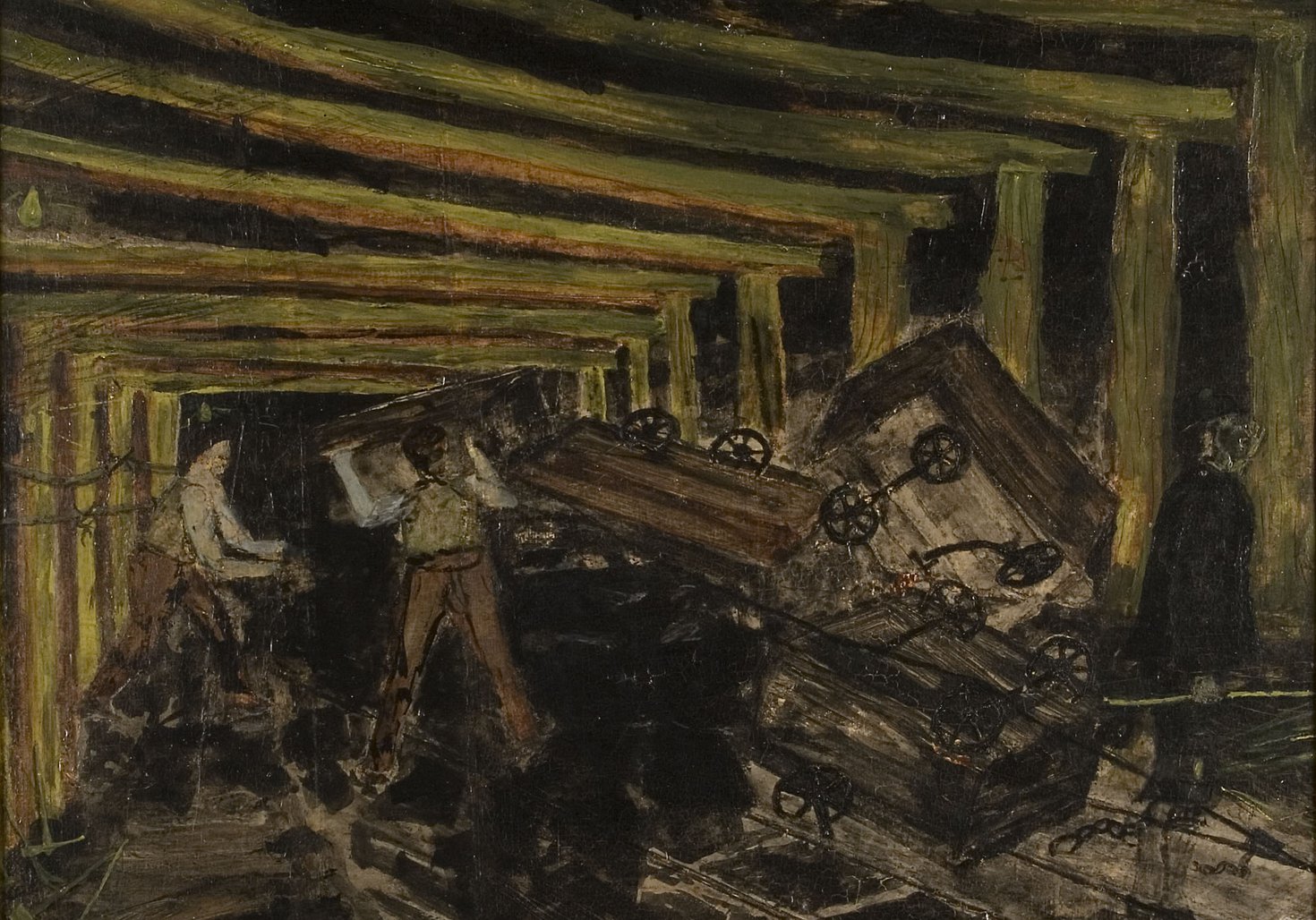
© The Ashington Group Trustees
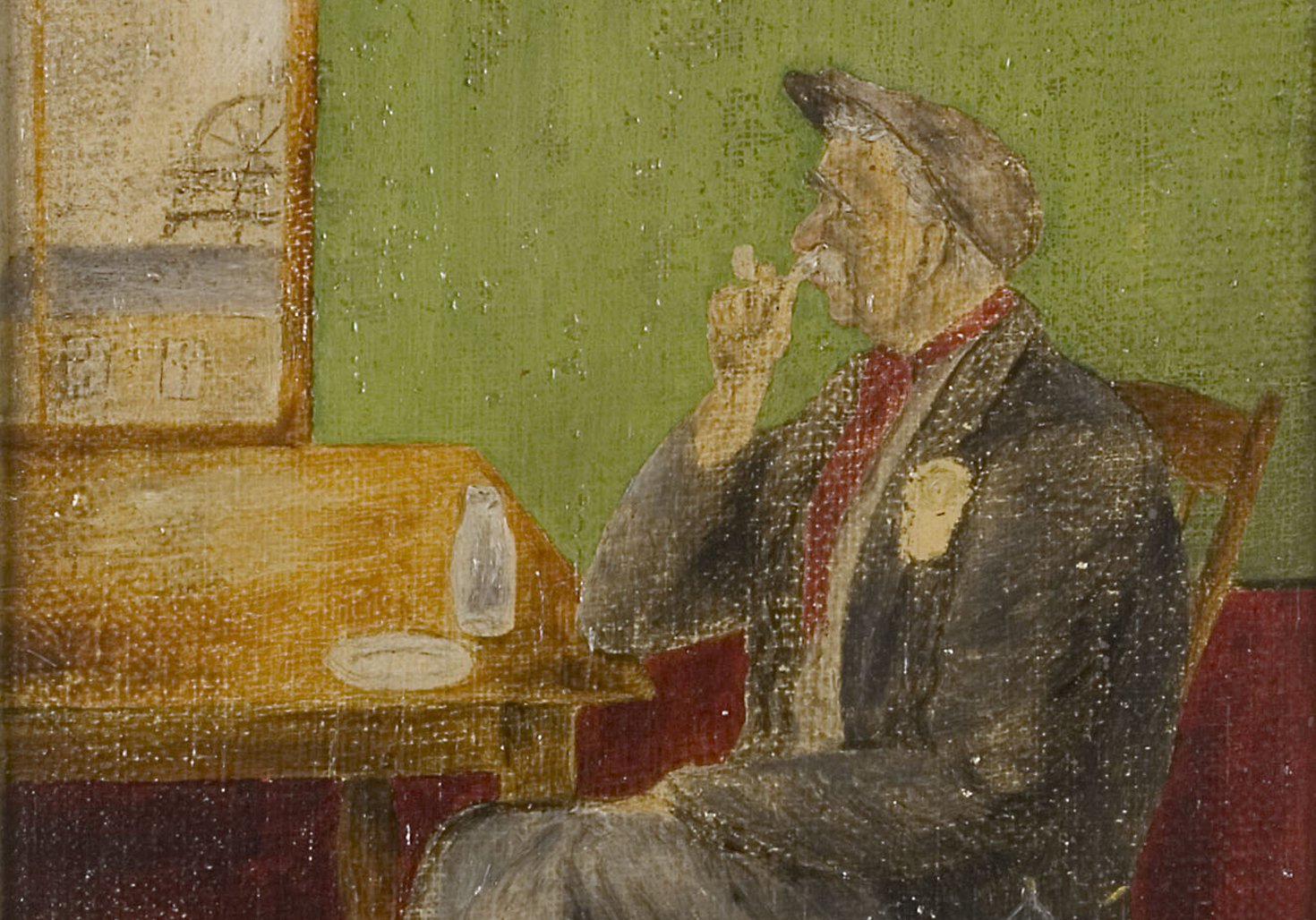
c.1935 © The Ashington Group Trustees
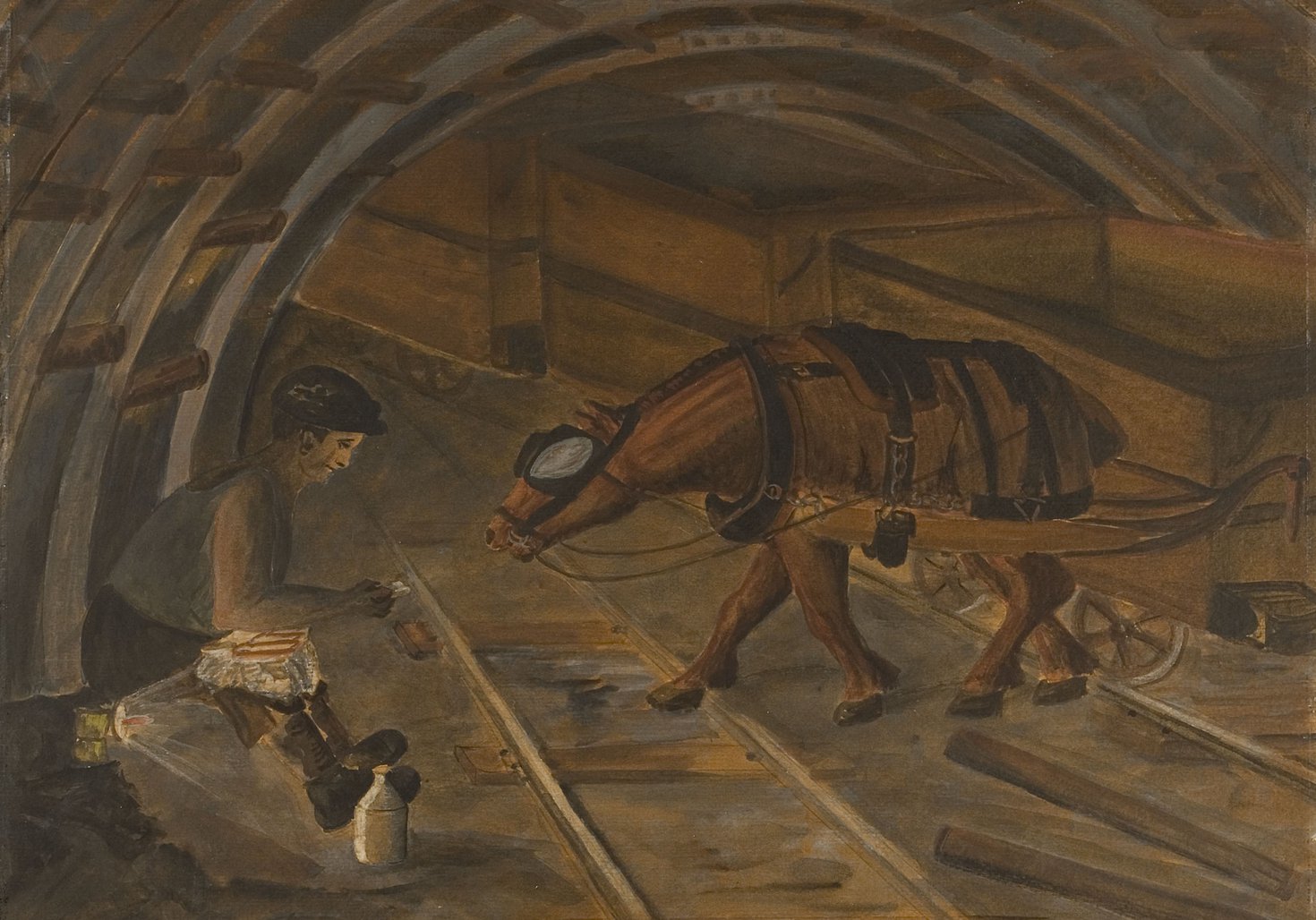
1946 © The Ashington Group Trustees
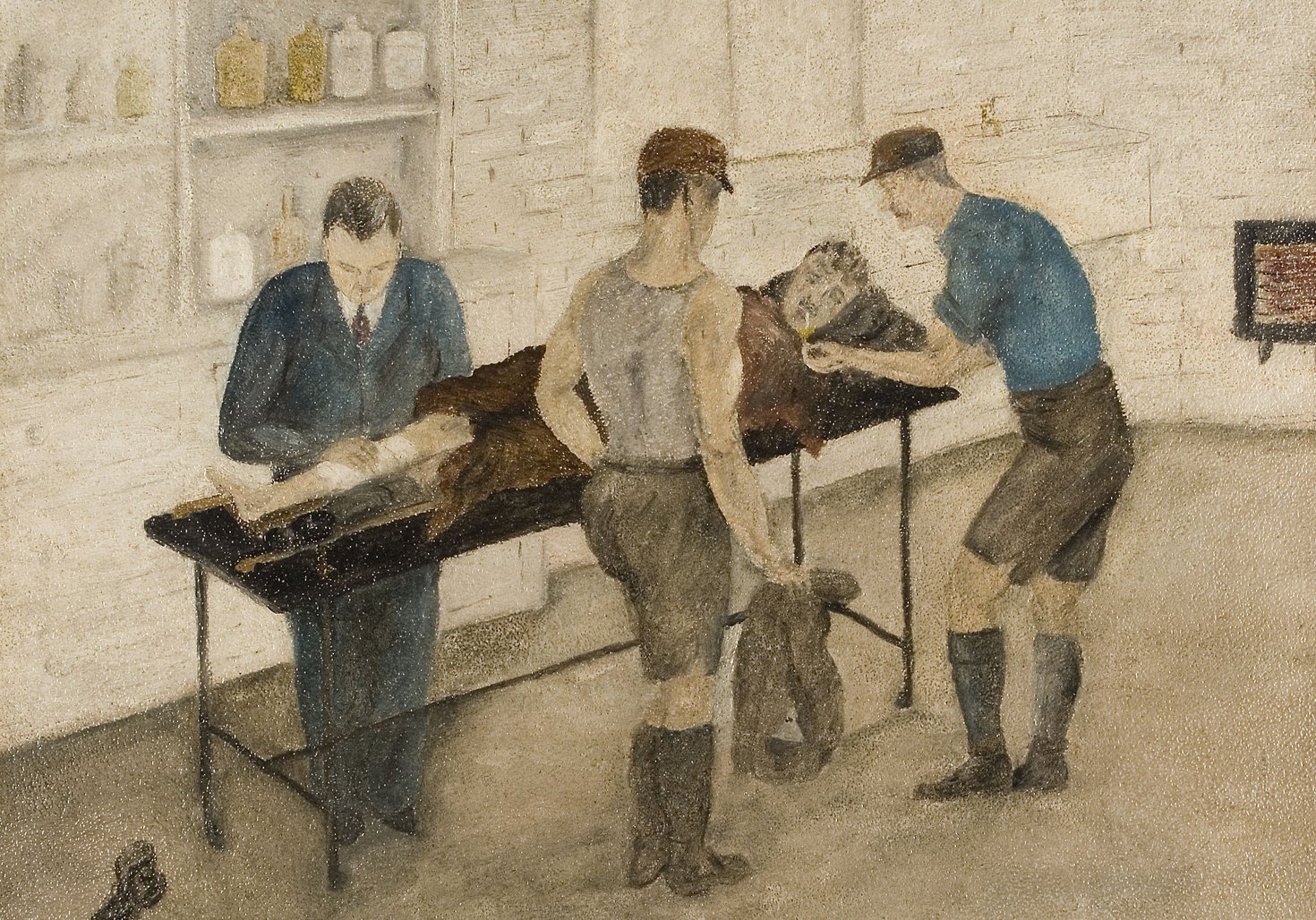
c.1938 © The Ashington Group Trustees

Coming soon...