Our collections
Managed by North East Museums on behalf of North Tyneside Council
Stephenson Steam Railway is a living celebration of the North East’s proud railway heritage. Nestled at Middle Engine Lane in North Tyneside, it carries forward a story that stretches back more than 200 years—from the earliest wooden waggonways and coal haulage to the dawn of passenger travel and the modern preservation movement.
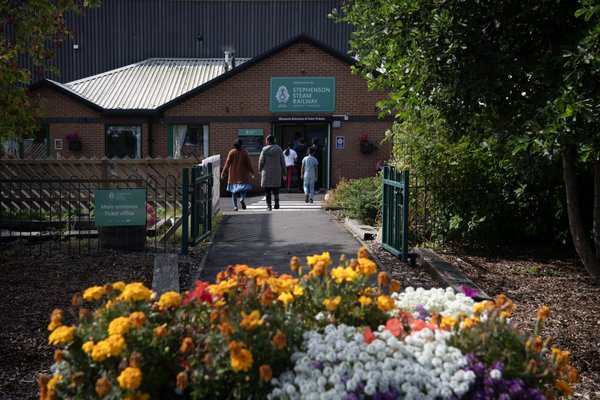
The railway runs along a corridor once packed with industrial lines carrying coal from local collieries to the River Tyne. The first of these, the High Flatworth (or Murton) Waggonway, was in use by 1810 and later became known as the Backworth Waggonway. By the 1820s and 1830s, more lines joined it, including the Seaton Burn Waggonway and the Cramlington Waggonway, with rope-worked inclines, stationary engines, and later steam locomotives hauling heavy wagons of coal.
One of these stationary engines, known as the ‘Middle Engine,’ gave its name to the lane and the present-day museum site. The lines here served some of the biggest collieries in the region until closures in the 20th century gradually silenced them.
Perhaps the best known of the lines was the Seghill Railway, later renamed the Blyth & Tyne Railway, which opened in 1840. It carried both freight and passengers, with trains stopping at places like Seghill, Holywell, and Percy Main. By the mid-19th century, passenger services had shifted to other routes, but the line remained a vital freight artery for decades, carrying coal, and later fuel oil, until the 1970s.
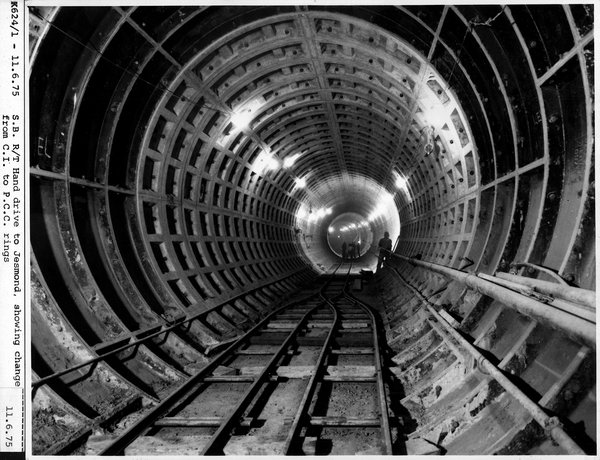
In the 1970s, the corridor gained a new lease of life when it became the Tyne and Wear Metro test track. Here, engineers trialled prototype Metro trains alongside traditional shunters. Though the test track closed in 1980, it laid the groundwork for today’s Metro system and left behind useful railway workshops at Middle Engine Lane.
Meanwhile, volunteers were hard at work preserving local railway heritage. The Monkwearmouth Station Museum Association, founded in 1977, relocated to Middle Engine Lane in 1981 after their Sunderland base fell into disrepair. Renamed the North Tyneside Steam Railway Association (NTSRA), the group partnered with North Tyneside Council and Tyne & Wear Museums to create not just a static display, but a working steam-hauled railway.
By 1989 volunteers had relaid a line from Middle Engine Lane to Percy Main, and in 1991 the first passenger trains ran. The railway later extended into a new station at Percy Main, built on the site of the old Blyth & Tyne locomotive works.
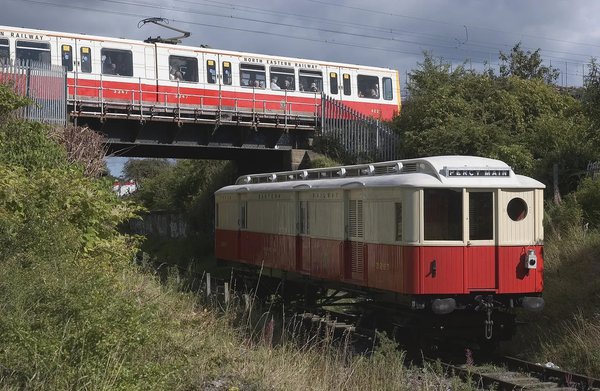
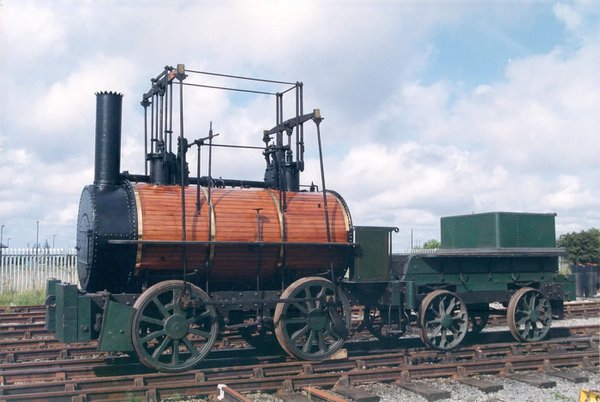
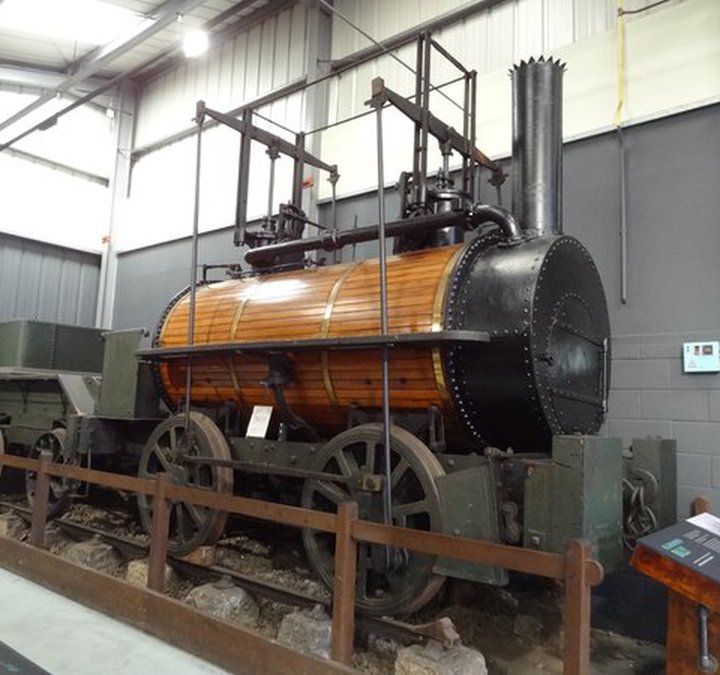
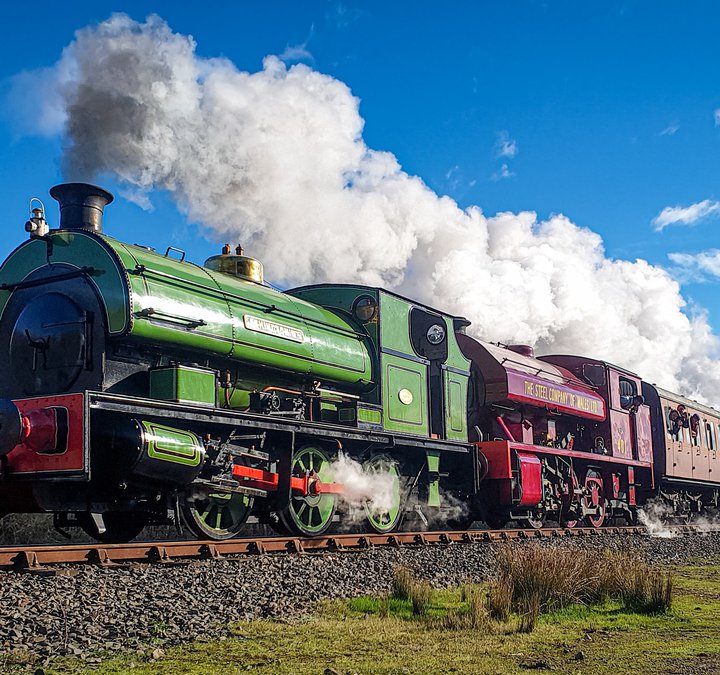
Stephenson Steam Railway is home to a fascinating collection of locomotives, rolling stock, and museum displays.
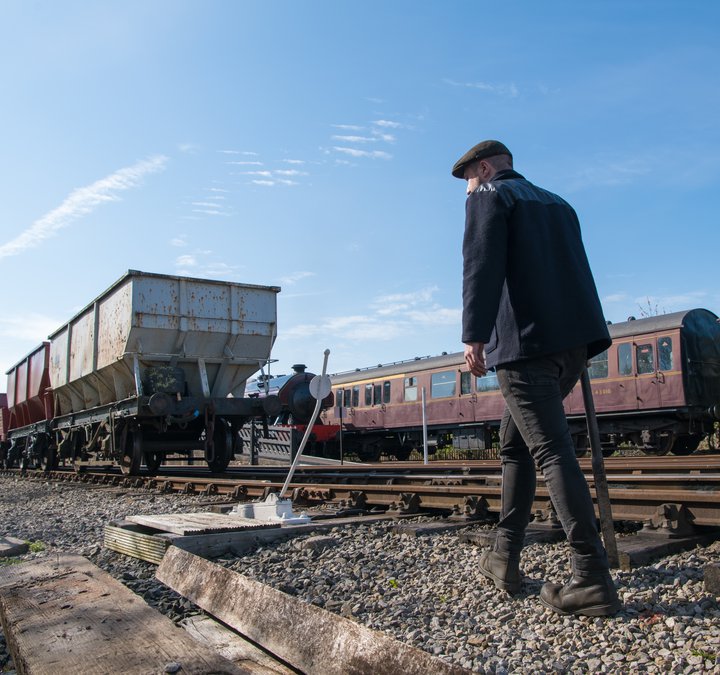
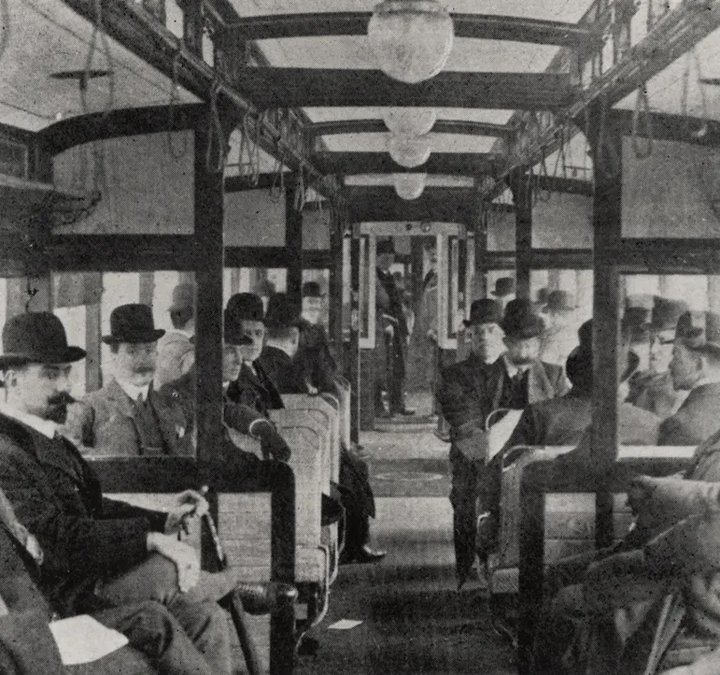
· Rolling stock – The collection features 1950s suburban carriages, now restored for heritage rides, as well as a brake van, hopper wagons, and colliery trucks.
· Museum displays – Inside the museum building, visitors can explore exhibitions on the story of George and Robert Stephenson in North Tyneside, the Blyth & Tyne Railway, the Tyne and Wear Metro and the area’s colliery lines.
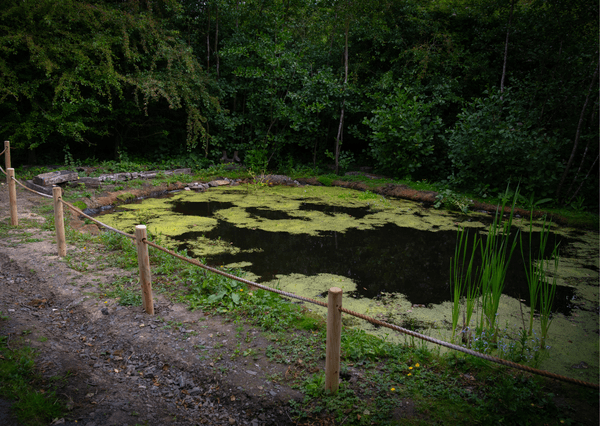
Alongside its engines and tracks, Stephenson Steam Railway is also home to a growing Woodland Walk. This peaceful path winds through the greenery alongside the line, offering visitors a chance to stretch their legs and enjoy nature as well as industry. What was once a purely industrial landscape is now being carefully rewilded, with trees, wildflowers, and habitats for birds and insects to thrive in the old railway corridor. It’s a reminder that history and heritage can live in harmony with the natural world, and that the site continues to evolve as a place for both learning and leisure.
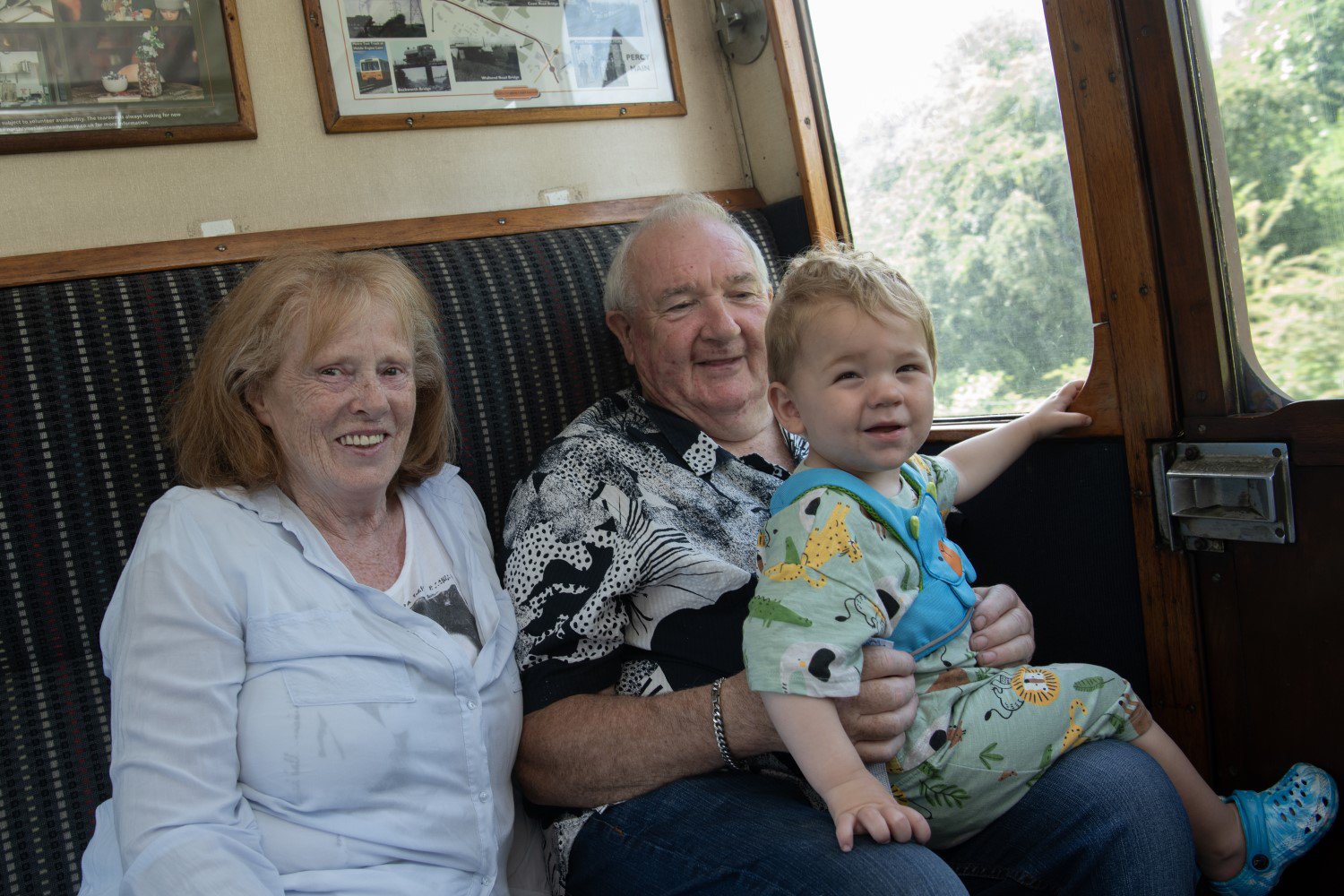
Today, the railway offers much more than just a train ride. Visitors can step aboard a working steam or diesel service, enjoy a break in the Waggonway Tearoom, and explore exhibitions that connect the industrial past with the present. Seasonal galas, family events, and special themed weekends bring the site alive throughout the year.
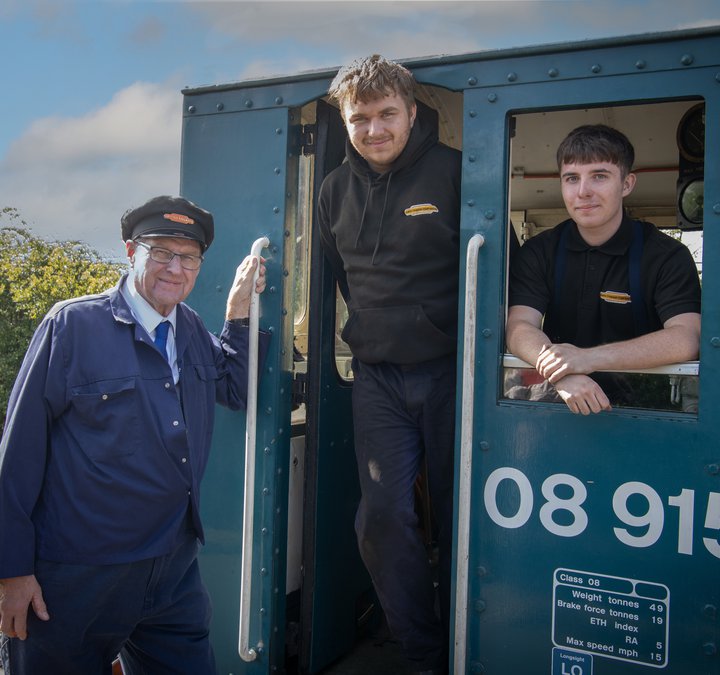
Above all, Stephenson Steam Railway is powered by its community of volunteers—engineers, guards, drivers, station staff, and museum guides—who keep this unique part of North Tyneside’s history steaming forward.
For more than two centuries, this railway corridor has witnessed innovation, industry, and community. From horse-drawn wagons and colliery locomotives, through ferry services and Metro prototypes, to today’s heritage trains, Stephenson Steam Railway proudly keeps North Tyneside’s railway story alive.