Our collections
The Shipley Art Gallery has a Designated Collection of national importance

Managed by North East Museums on behalf of Gateshead Council
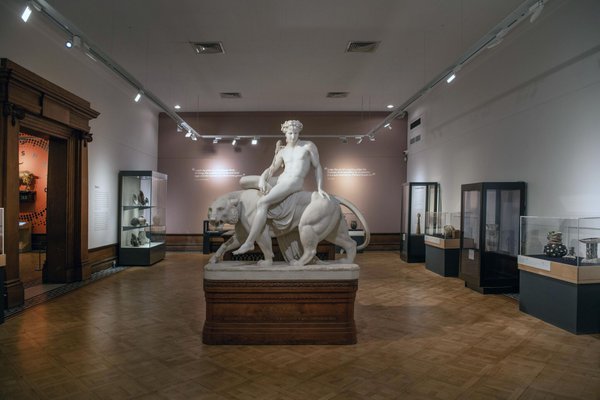
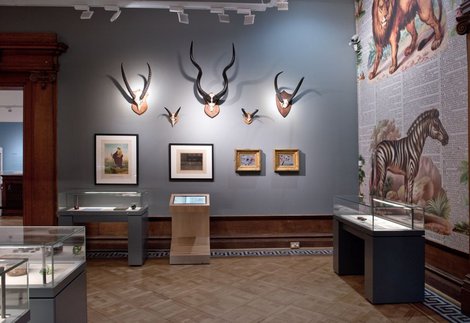
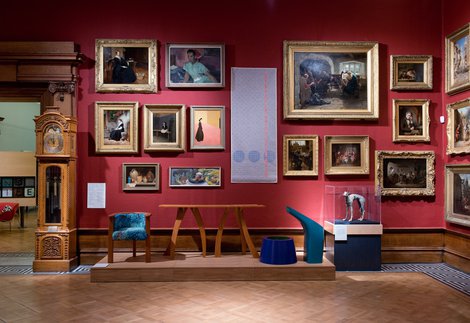
Shipley Art Gallery in Gateshead is home to our collection of art, craft and design, including paintings, ceramics, textiles and contemporary craft. Learn about the gallery’s history, its founding in 1917 and the people and artists connected to its collections. Explore the stories behind the artworks, the gallery’s nationally significant craft and design collections and its place in Gateshead’s cultural history.
The Shipley Art Gallery began with the remarkable vision of a Gateshead solicitor with an insatiable appetite for art. Joseph Shipley, born in 1822, bought his first painting at the age of sixteen —Tantallon Castle by John Wilson Ewbank—picked up in Newcastle’s bustling Bigg Market. That youthful impulse grew into a lifelong passion. Shipley became a dedicated collector who worked closely with art dealers, often buying paintings in large batches. One dealer famously apologised for the volume he was sending north, noting he had ‘seven packages at Kings Cross’ with more yet to be wrapped.
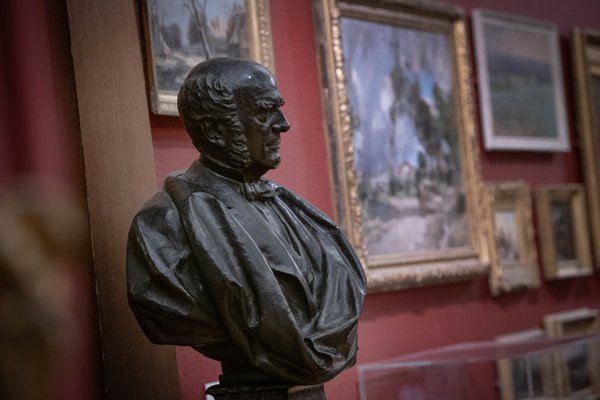
By the time he died in 1909, Shipley had gathered more than 2,500 paintings—an extraordinary number for a private individual. Living comfortably in Saltwell Towers and with no direct heirs, he left his art and a significant fortune to the public. His aim was simple: people should be able to enjoy art freely and locally, without travelling to London or beyond.
Shipley’s carefully worded will outlined his hopes for the collection. It should go first to a large free gallery in Newcastle. If Newcastle declined, Gateshead would be next in line.
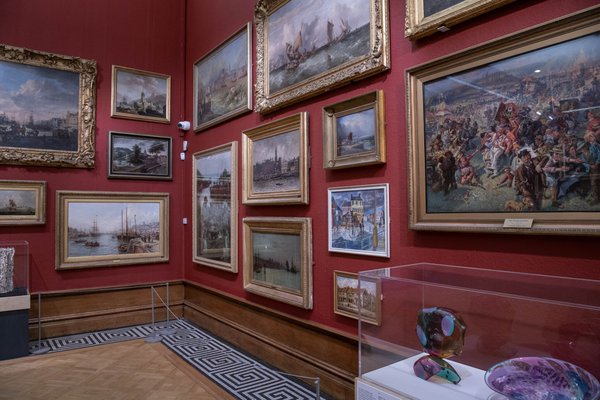
Although Newcastle expressed early interest, some experts questioned the artistic value of the collection, and after much debate the city walked away. Gateshead, however, saw something of significance—culturally, socially and symbolically. In 1912, the council accepted the bequest, choosing to retain 504 paintings.. The rest were sold at auction to help fund the creation of a gallery worthy of Shipley’s legacy. Saltwell Towers became Gateshead's 'Local & Industrial Museum' from 1933 to 1969 and the collections are now also at the Shipley Art Gallery.
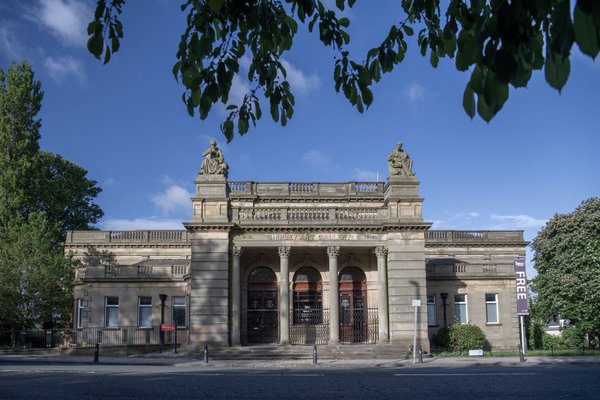
Gateshead councillors travelled around the country to study the best galleries of the day. A site was chosen on Prince Consort Road and architect Arthur Stockwell produced plans for a purpose-built gallery. Even the outbreak of the First World War couldn’t halt the project—Gateshead successfully appealed to continue construction. On 29 November 1917, the Shipley Art Gallery opened its doors.

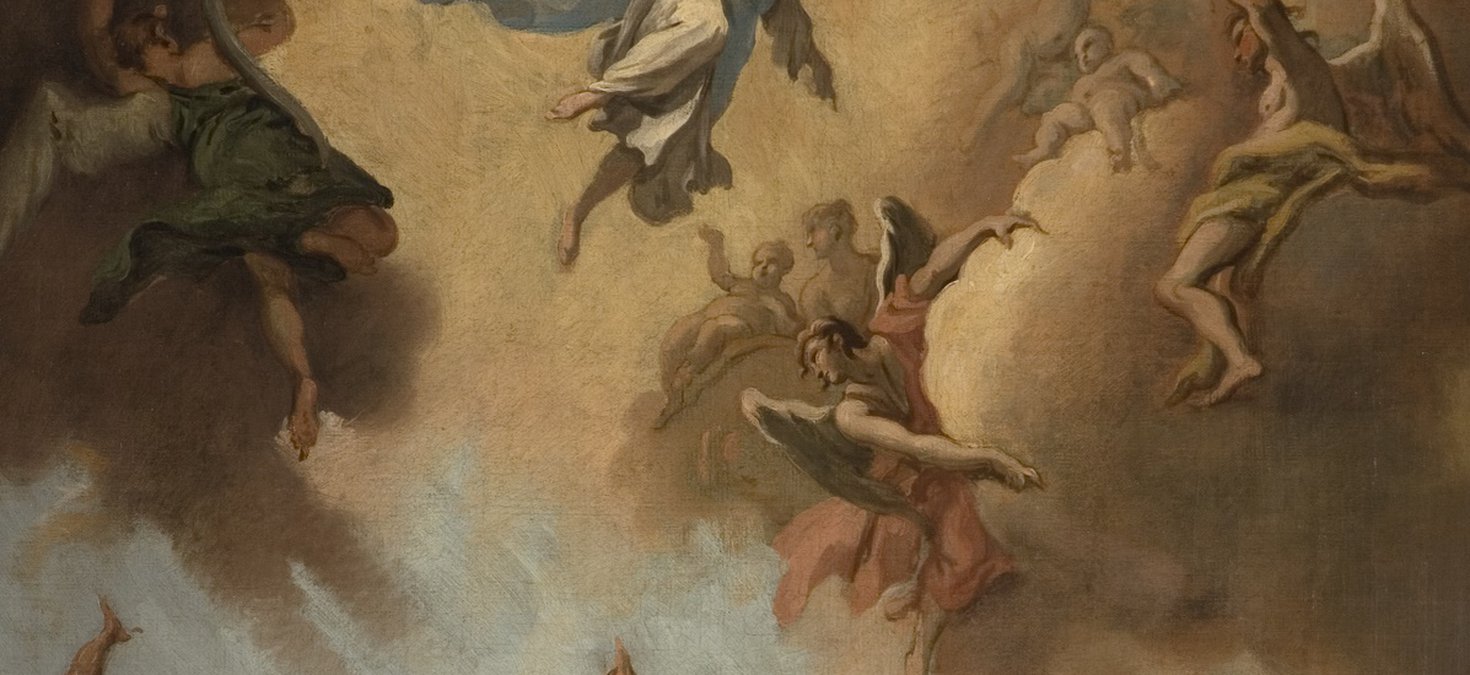
Joseph Shipley showed a flair for collecting 16th and 17th century Dutch and Flemish paintings – landscapes and seascapes, scenes from everyday life, as well as religious and mythological subjects. Highlights include religious paintings by Flemish painter Pieter Balten and Dutch painter Joachim Anthonisz Wttewael. But he was also interested in 19th century British works such as as the atmospheric scenes by John Atkinson Grimshaw and Richard Redgrave’s poignant The Poor Teacher (1845).
As the gallery grew, so did its holdings. The strengths of Shipley’s original collection were enhanced through acquisitions such as David Teniers’ Interior of a Tavern (1640) as well as works by North East painters including Ralph Hedley and Norman Cornish which enriched the gallery’s regional identity. The lively painting The Blaydon Races (1903) by William Irving, acquired in 2002, celebrates one of the North East’s best-loved traditions.

Today the gallery is also home to Christ Washing the Disciples’ Feet (about 1547) attributed to Tintoretto. This major painting, which once hung in Newcastle Cathedral and belongs to Newcastle City Council, is now one of the gallery’s centrepieces.

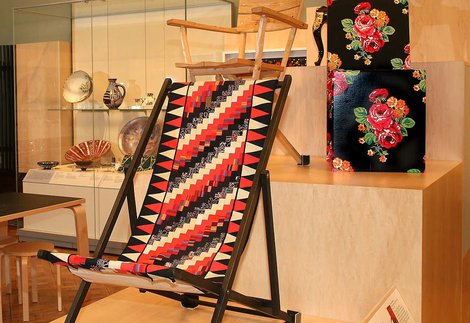
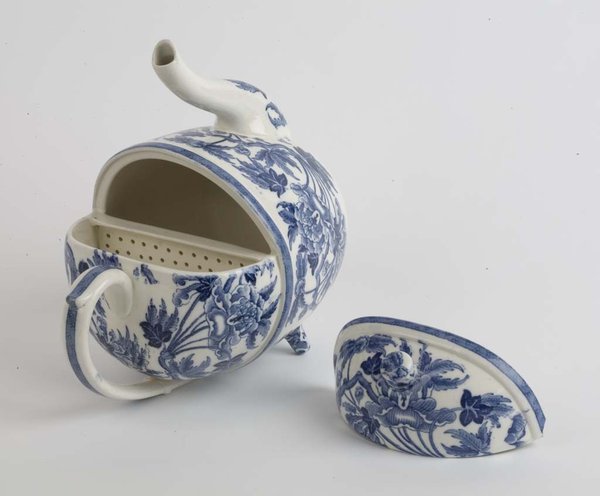
While painting forms the historic backbone of the Shipley, another story runs alongside it—one rooted in the North East’s reputation as a centre of making, industry and skilled craftsmanship. The decorative art collections include examples of ceramics and glass produced by Gateshead factories such as the innovative pressed glassware made by Davidson and Sowerby and ceramics by Gateshead Art Pottery. The collections also celebrate hand skill, in particular North East craft traditions such as wholecloth quilt making and rag-rug making. These local traditions provide a regional context for one of the finest collections of contemporary craft in the country.

First formed in 1977, the craft collection today is wide ranging with exceptional holdings in glass, metal, ceramics, wood and textiles. The gallery continues to collect craft by British based makers that use innovative techniques and materials as well as objects that resonate with the historic collections. For example, Philip Eglin’s sculptural ceramic Two Nudes with a Tree (1990) and the glass and bronze sculpture Adam and Eve no.1 by Max Jacquard (2005) form striking juxtapositions with the religious paintings collected by Joseph Shipley; while contemporary quilts by artists such as Dinah Prentice and Michele Walker can be seen alongside an example of a North Country quilt, quilted by Lilian Hedley. Ali Rhind’s Rag Rug Chair (2000) shows new ways of working with a traditional local technique while Paul Scott’s specially commissioned Gateshead in a Box (2011) uses slices of brick sourced from the once thriving Gateshead brickworks.
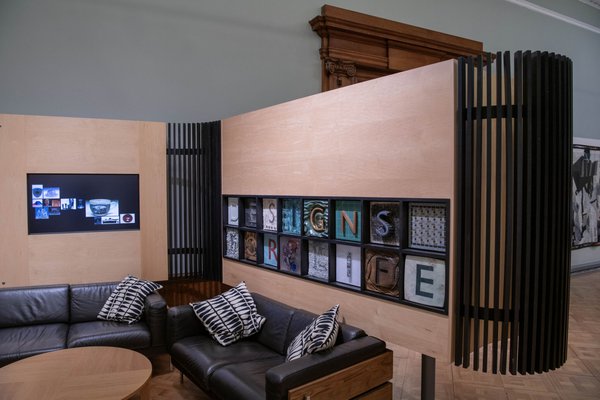
Twentieth-century Studio Ceramics are at the heart of these craft collections due largely to the generosity of two private collectors. Henry Rothschild (1913-2009) was an influential figure in the contemporary craft world showcasing Britain’s leading ceramicists through his shop Primavera. A study centre at the Shipley is devoted to more than 300 works from his own ceramics collection and, as Rothschild said, every piece ‘has its own story to tell’. In 2019 the collections were further enhanced with over 500 pieces belonging to the art historian John Christian (1942-2016). Together, these collections provide a unique record of the development of British Studio Ceramics. From the work of pioneer potters such as Bernard Leach, William Staite Murray and Michael Cardew, to the experimental organic forms produced by hand-builders such as Ruth Duckworth and the expressively painted pots of Alison Britton, the ceramics collections provide a constant source of inspiration.
More than a century after its opening, the Shipley Art Gallery remains true to Joseph Shipley’s vision: art should be for everyone. It continues to evolve, collecting new artworks, supporting contemporary makers and welcoming communities through its doors. From a teenager’s first purchase in the Bigg Market to a thriving cultural institution, the Shipley’s story is one of generosity, curiosity and deep connection to the people of the North East. It is a gallery shaped by collectors, artists, makers and communities—and its story is still being written.