Following the Eagle
A showcase of rare bronze Roman military diplomas and artefacts.
Historic Event
This is a historic event or exhibition. It is no longer available to visit and this page is only retained as a record of its details.
Visit our What's On page for current and future event and exhibition details.
Dates
Until 3 October 2026 (historic event)
About
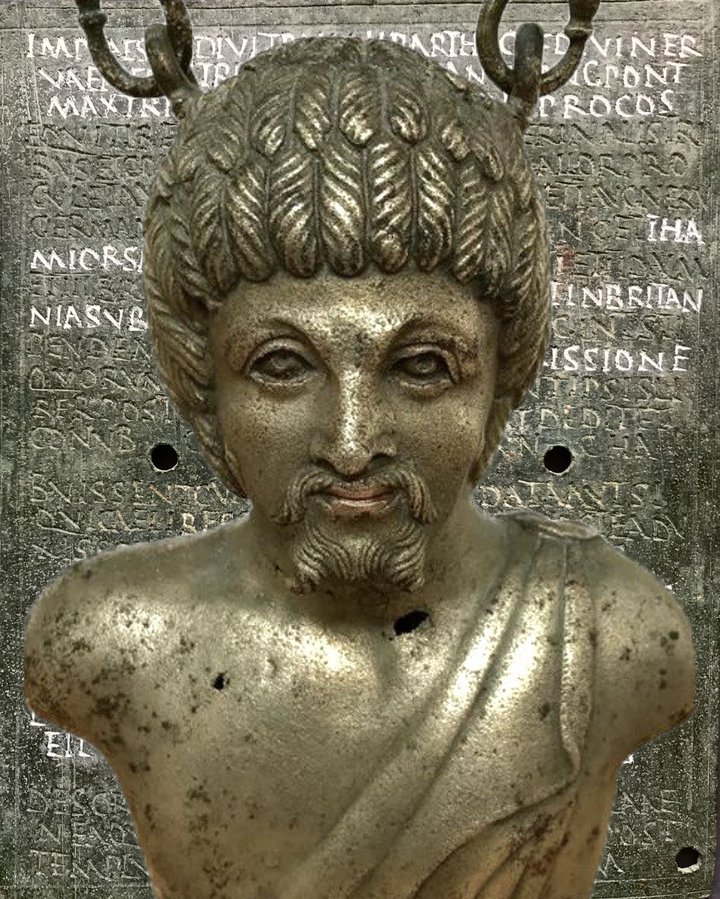
The exhibition will showcase rare Roman military diplomas inscribed on bronze, alongside other archaeological artefacts, exploring themes of identity, service, and travel within the Roman army.
The Roman state adopted the eagle as an emblem to show that as well as power and authority, they had divine favour on their side. The army used it as a symbol since it embodied Rome itself and her honour.
It is found as decoration on armour, weapons and belt fittings, on horse armour, inscriptions and in architecture. It was also used on the military standards that represented the honour of each unit in the army.
Units of the Roman army were stationed in every province of the Roman Empire. A unit raised in one province was usually sent to serve in a different province, often 1000s of kilometres away. Casualties or retirees from units were usually replaced with new recruits from far away provinces. The career paths of higher military officers (who were Roman citizens) and civilian administrators also took people huge distances round the Empire.
This is evidenced in the career of Statius Priscus, who once commanded the Fourth Cohort of Lingonians - a unit which was later stationed here at Wallsend - and the 18 different posts he held in seven provinces.
Image: A metal vessel, designed in the shape of a male head and shoulders.