Our collections
British oil paintings, watercolours, ceramics, silver and glassware
Managed by North East Museums on behalf of Newcastle City Council
Laing Art Gallery in Newcastle is home to a wide collection of fine art, with works spanning centuries of artistic creativity. Learn about the gallery’s history, its collections and the artists and people connected to them. Explore the stories behind the artworks, the development of the collection and the gallery’s place in Newcastle’s cultural history since opening in 1904.
The Laing Art Gallery was born from an act of generosity. In 1900, Alexander Laing (1828–1905), a successful Newcastle wine and spirit merchant, offered to build a gallery ‘for the free use and enjoyment of the public in perpetuity’.
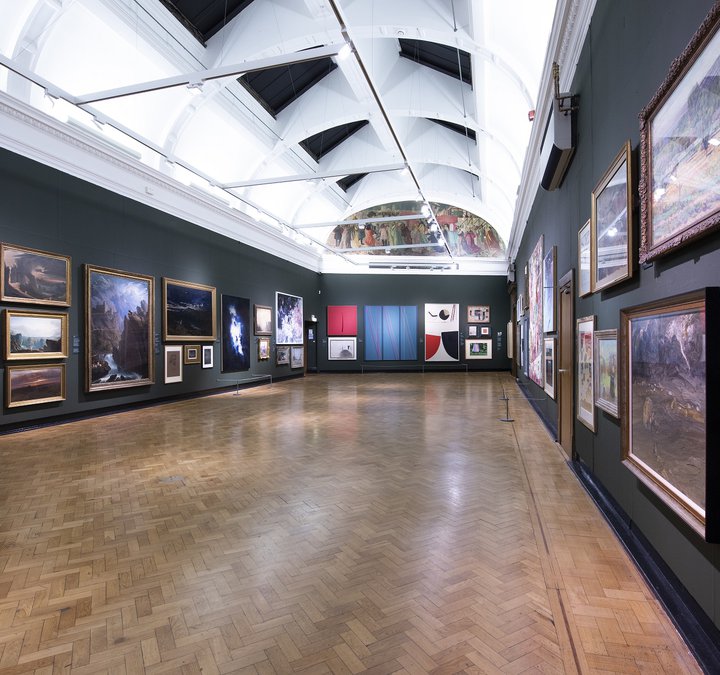
Designed by the architects Cackett & Burns Dick in Baroque style with Art Nouveau flourishes, the gallery opened in 1904 to huge crowds. On that day, Laing was awarded the Freedom of the City. He died just a year later, but his gift has shaped Newcastle’s cultural life ever since.
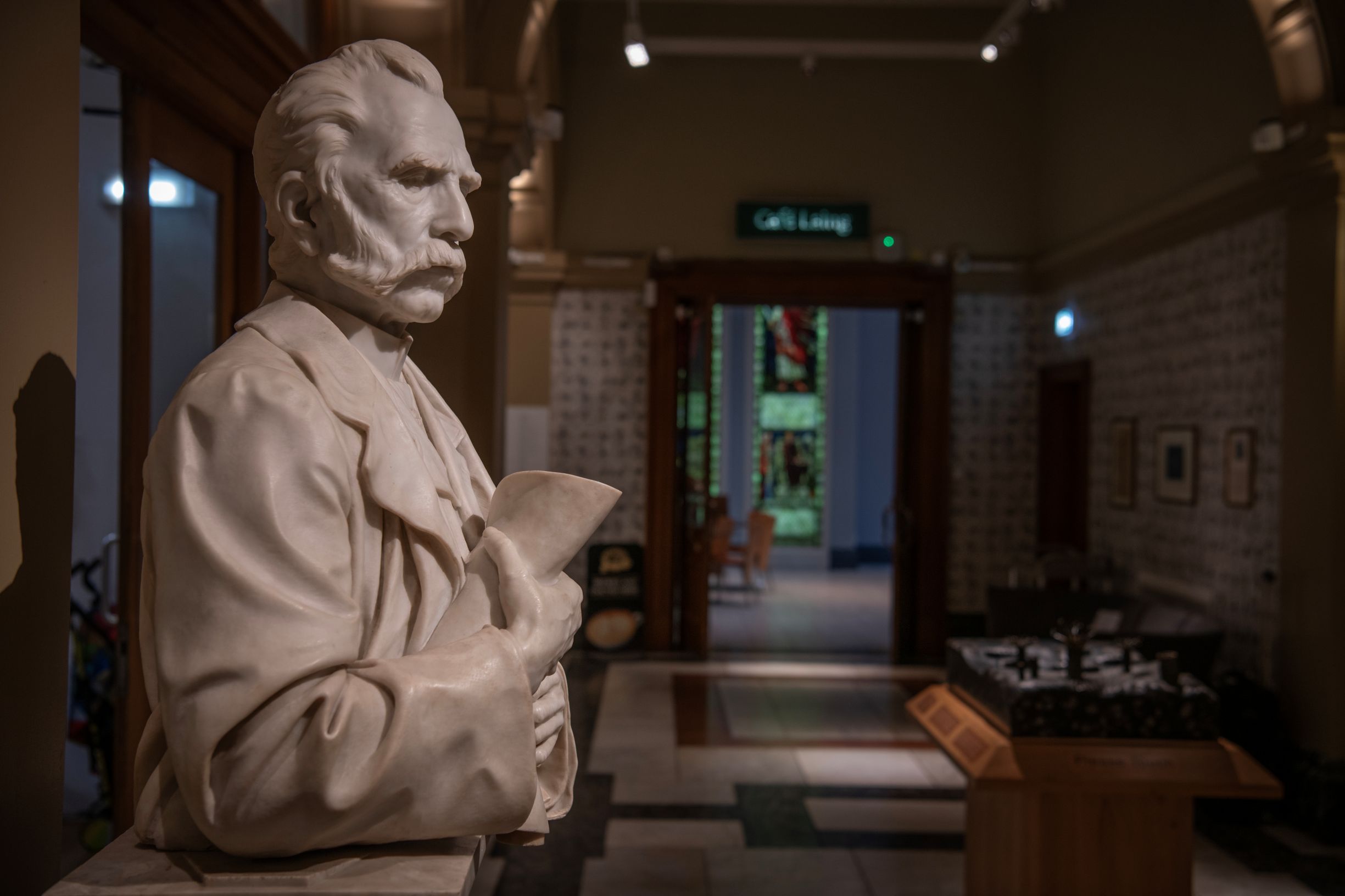
Unlike most galleries, the Laing opened without a collection.
Laing was not himself an art collector, but he trusted that the people of Newcastle would fill the space. Local generosity soon poured in: industrialists, philanthropists and artists made donations, and acquisitions were supported by national funds.
The result is a collection now recognised by Arts Council England as one of national importance.
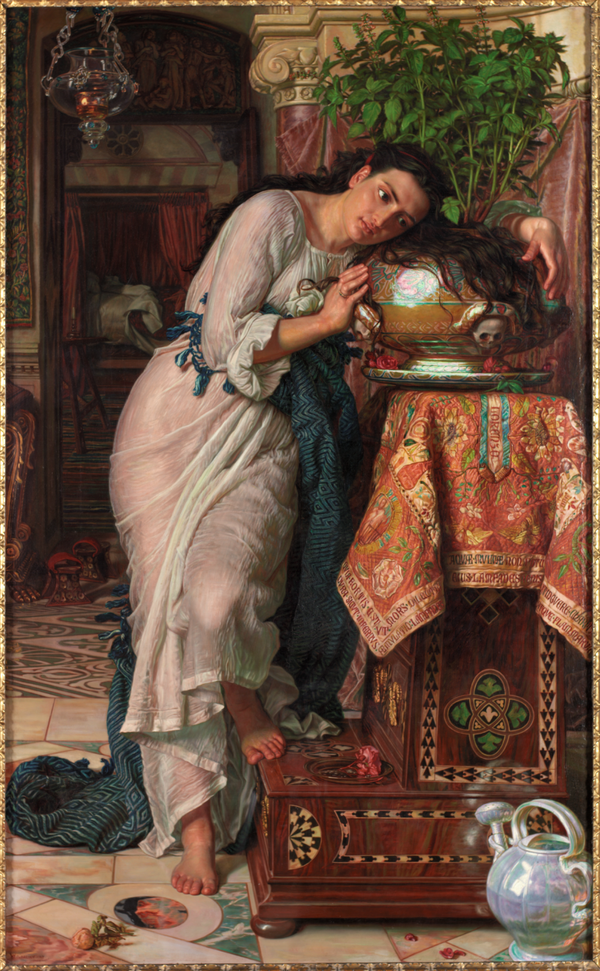
Two of the gallery’s most famous works are jewels of Pre-Raphaelite art.
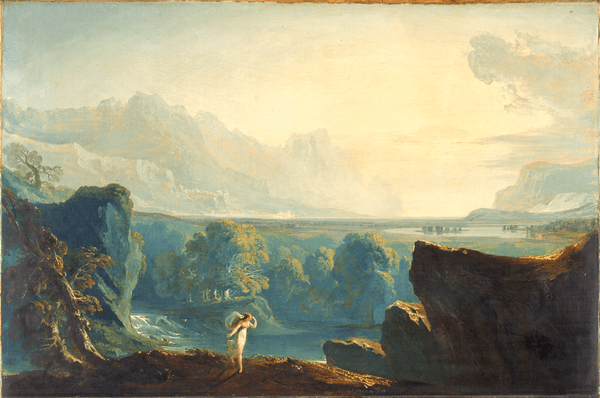
Landscape subjects are well represented in the Laing’s paintings collection.
The collection has a long-standing strength in works by women. Examples include:
While the Laing’s core collection is rooted in British art, it also holds important works by international artists that broaden the conversation.
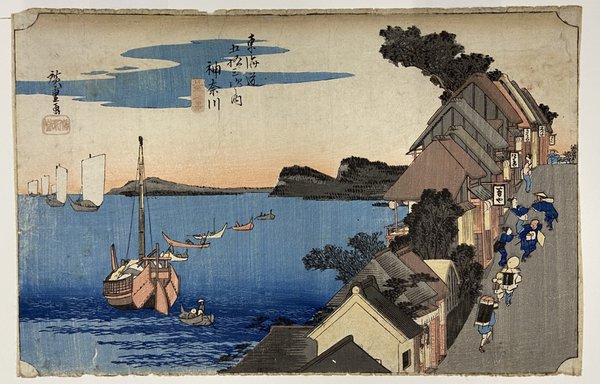
The Laing's outstanding watercolour collection includes works by JMW Turner, Thomas Girtin, Samuel Palmer, Eric Ravilious, Ethel Walker and Nerys Johnson.
Its small sculpture collection features Henry Moore, while the large print collection is anchored by the extraordinary wood engravings of Newcastle’s own Thomas Bewick.
It also embraces modern printmakers such as Paula Rego, Allen Jones, Eduardo Paolozzi, Elisabeth Frink and David Hockney.
The decorative arts collections are a reminder of the North East's role as a centre of craftsmanship and industry, with exquisite Beilby enamelled glass, Sowerby pressed glass and experimental art glass, and Newcastle silver alongside local ceramics by important potteries such as Maling.
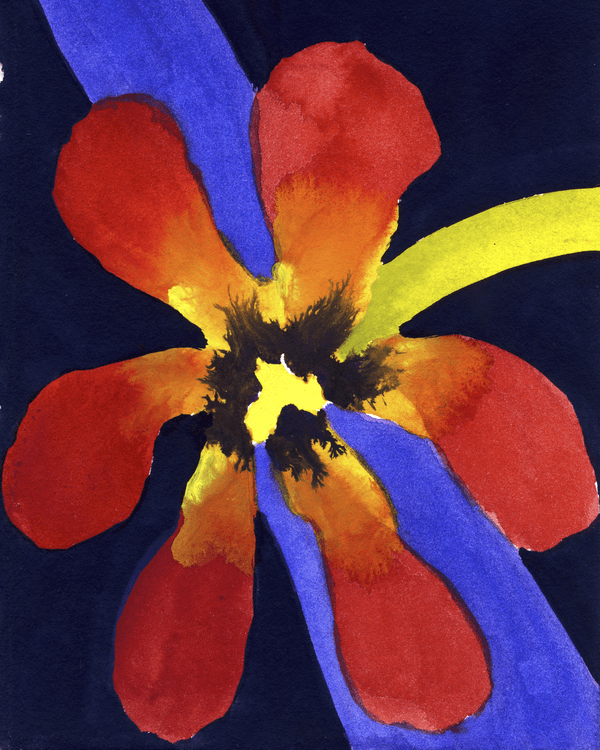
The Northern Spirit gallery celebrates the art of the North East over three centuries. It features internationally important art such as John Martin’s vast apocalyptic canvas The Destruction of Sodom and Gomorrah.
Artists who worked locally and made a national and international contribution, such as Thomas Bewick and Victor Pasmore, are displayed alongside beloved local figures like Ralph Hedley.
It also showcases the artistry of the region’s glass, silver, and ceramics industries, exploring how creativity here has always been rooted in community, labour, and place.
Over time, the Laing has evolved. A striking new entrance was added in 1996, a major refurbishment restored its Edwardian splendour in 2004, and in 2010 the Northern Spirit gallery opened. Today the Laing combines historic collections with ambitious exhibitions, commissions, and learning programmes.
From Pre-Raphaelite icons to Elizabeth Blackadder’s lyrical watercolours, from John Martin’s biblical dramas to Chris Killip’s photographs of lost industry, the Laing brings together art that speaks both to local identity and to universal experience.
Rooted in the creativity and resilience of North East communities, the gallery also connects to wider national and international conversations, welcoming visitors from near and far.
More than a place to view fine art, the Laing is a space where histories, cultures, and people meet — continuing Alexander Laing’s vision of a gallery for everyone, and for the world.
This self-guided tour invites you to uncover ecological themes and issues in the Laing’s collection displays.
The tour has been developed by a group of Newcastle University staff and students, led by Dr Olga Smith. Brought together by a passion for environmental justice and a concern for nature, they created this resource to highlight some of the works in the collection. Placed in relation to major present-day concerns, works from a distant past gain new meanings and significance.
The tour also gives an insight into the industrial history of Newcastle upon Tyne, and its environmental implications.


![A sepia, head and shoulders photograph of a woman with long dark hair wearing a white veil.]](https://d279tnhy9skgzk.cloudfront.net/yI-o-8RRliudFOcNnUMte_CoJe8=/470x675/https://s3-eu-west-1.amazonaws.com/atwam-images-files/production/images/content/laingartgallery/2026-10/1167221.jpg)