Hatton History
The story of the Hatton Gallery: 1948 - 1968

Managed by North East Museums on behalf of Newcastle University
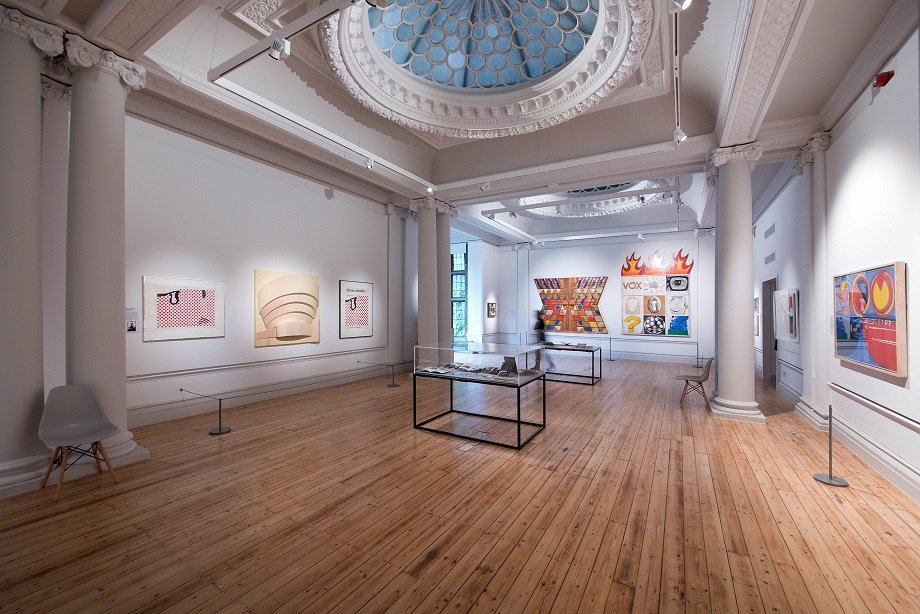
The Hatton Gallery has displayed historic and contemporary art for over a century. While its programme has long been enjoyed by a wide local audience, the gallery’s history is entwined with that of one of the oldest regional art schools in the country.
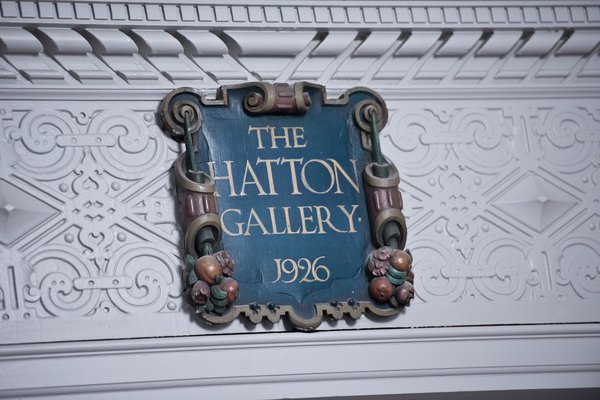
In 1912 the Edward VII School of Art opened on the campus of what is now Newcastle University. It included a gallery space at the front, in which exhibitions were mounted. today. When the school's Professor of Fine Art, Richard George Hatton, died in 1926, the gallery was named after him. The gallery has maintained close links with the art school ever since, with the Fine Art degree shows key events on the Hatton’s calendar to this day.
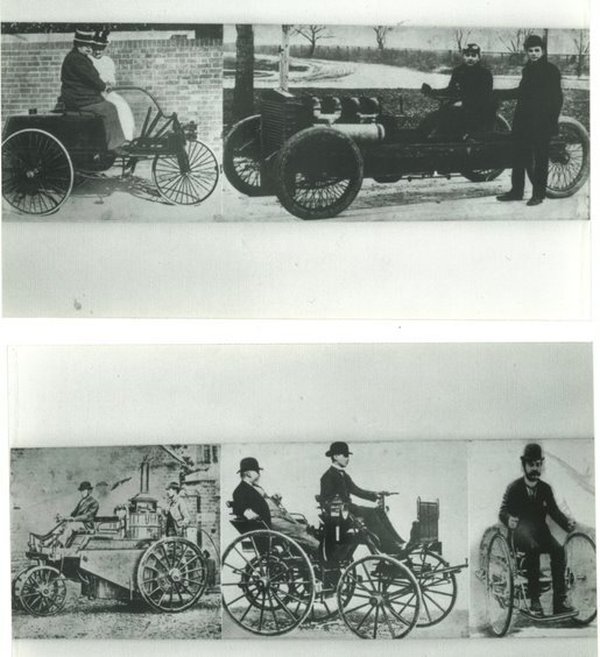
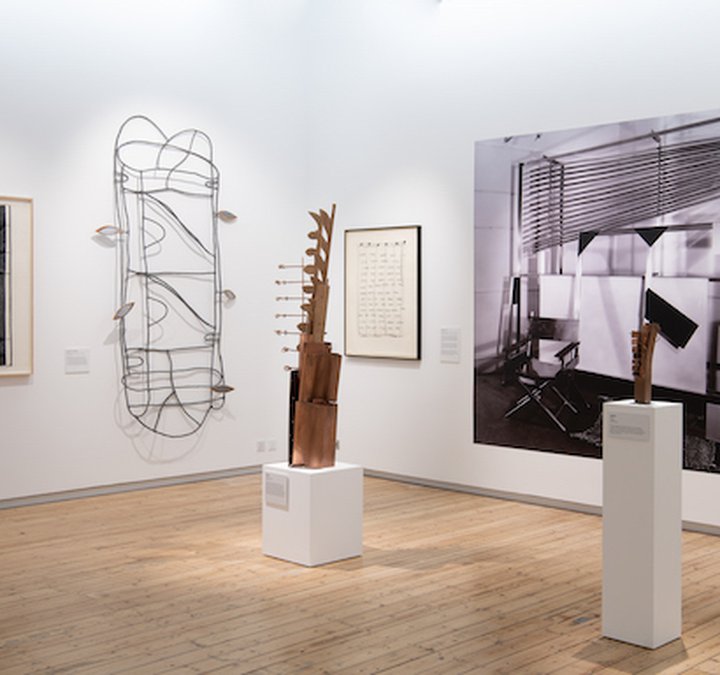
By the 1950s, the gallery had established an ambitious programme of temporary exhibitions. These ranged from touring exhibitions travelling from national collections to in-house projects showcasing new work made by the staff and students of the Fine Art department. Two of the most famous and experimental exhibitions to have been initiated at the Hatton are Richard Hamilton’s Man, Machine and Motion (1955) and Hamilton and Victor Pasmore’s An Exhibit (1957).
The Hatton Gallery looks after a permanent collection of 4000 objects dating from the fourteenth century to the present day as well as an archive. The collection was developed with teaching art students in mind. Collecting began at pace during the 1950s, when Old Master paintings were collected for study purposes, along with what were then contemporary pictures. The collection has continued to be developed in the decades since, and highlights include important works by Francis Bacon, Prunella Clough, Patrick Heron and Linder.
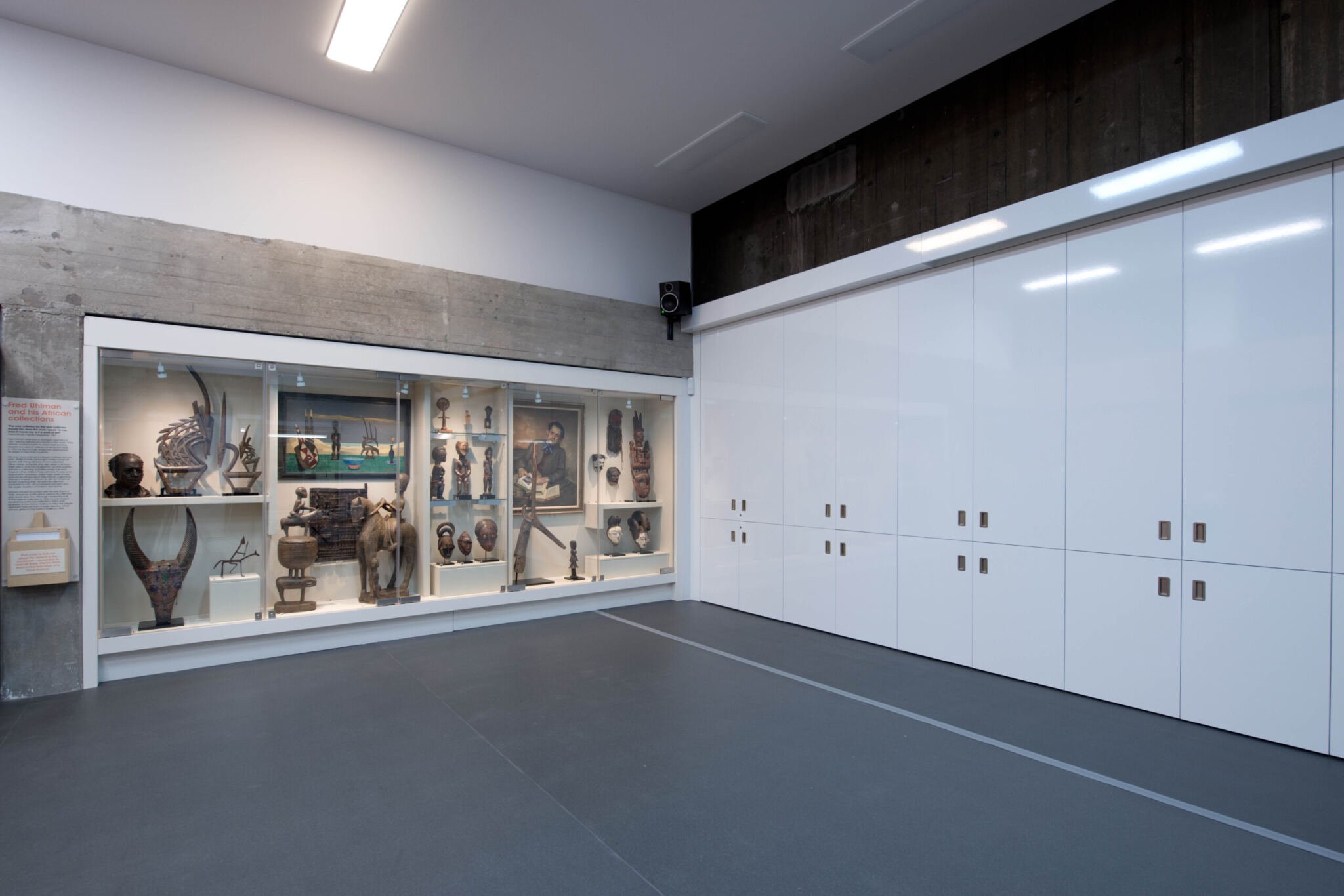
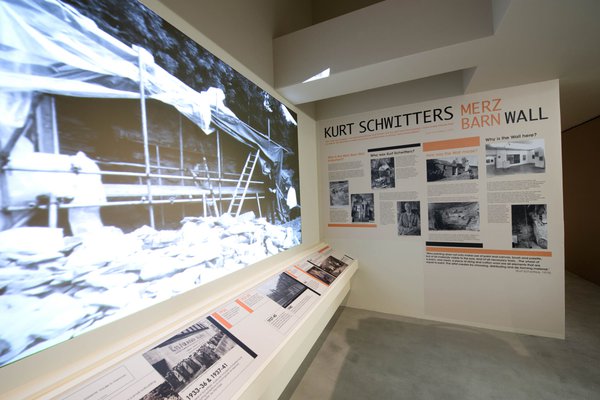
In 1965, Kurt Schwitters’s last surviving ‘merz’ structure, the Elterwater Merz Barn Wall, was transported to the gallery and incorporated into the fabric of the building. Click here to find out more.
In 2017, the Hatton reopened following a major redevelopment that saw the exhibition spaces modernised along with new storage and learning spaces. This includes a study room where visitors can explore the gallery’s significant archival material. The gallery continues to showcase university activity within a wider programme of modern and contemporary art exhibitions. Exhibitions are always free and everyone is welcome.

Kurt Schwitters



/https://s3-eu-west-1.amazonaws.com/atwam-images-files/production/images/content/hattongallery/2018-04/191440.jpg)

/https://s3-eu-west-1.amazonaws.com/atwam-images-files/production/images/content/hattongallery/2024-12/589334.jpg)
/https://s3-eu-west-1.amazonaws.com/atwam-images-files/production/images/content/hattongallery/2023-06/496792.jpg)
/https://s3-eu-west-1.amazonaws.com/atwam-images-files/production/images/content/hattongallery/2015-06/5101.jpg)
/https://s3-eu-west-1.amazonaws.com/atwam-images-files/production/images/content/hattongallery/2015-06/5112.jpg)